
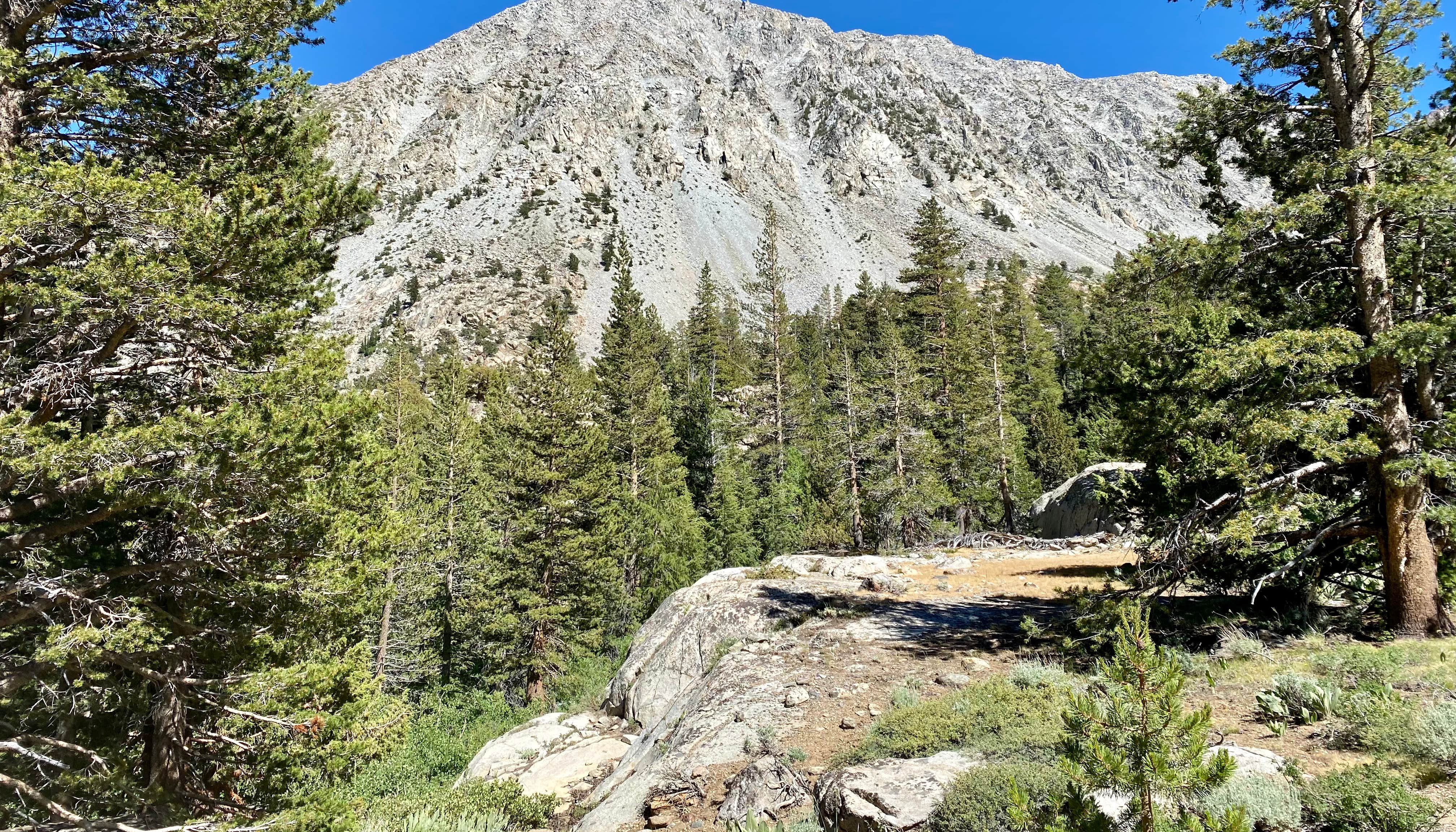
 Photo by Ron G.
Complete Guide to Camping in Yosemite National Park
Yosemite National Park offers camping options among giant sequoias, granite cliffs, and alpine meadows across 13 campgrounds spanning from the 4,000-foot valley floor to high country sites at 8,600 feet. With over 1,000 total sites drawing millions of yearly visitors, the park creates varied camping options throughout the seasons. Valley campgrounds put you steps from waterfalls and iconic landmarks but fill quickly during summer months. Sites outside the valley trade immediate access for more seclusion and slightly better availability. This guide covers everything you need to know about planning, booking, and enjoying a Yosemite camping trip, with practical advice from campers who've been there.
Updated: April 2026
Yosemite National Park Camping at a Glance
All top Yosemite campgrounds now require reservations during peak season, with the reservation window opening 5 months in advance on the 15th of each month. Standard campsites release at 7:00 AM Pacific Time and often fill within minutes for popular valley locations. Camp 4 uses a special lottery system during peak season. For 2026, Tuolumne Meadows Campground has reopened following its multi-year rehabilitation closure -- check Recreation.gov for current availability and dates. The park no longer requires peak-hours entry reservations that were in effect for summer 2025, though conditions can change; confirm current entry requirements before your trip.
Sites range from $6 to $36 per night for standard sites, with Camp 4 costing $10 per person. Group and RV sites cost more, up to $60-$75. Four campgrounds operate year-round (Upper Pines, Camp 4, Wawona, Hodgdon Meadow) while others operate seasonally based on weather and elevation. Summer nights drop into the 50s-60s degrees F even in the valley, so pack warm sleeping gear regardless of when you visit. There are also numerous Yosemite dispersed and boondocking camping options in and around the national park to choose from, depending on the type of camping you are doing.
Yosemite National Park Campground Quick Facts
| Quick Facts | Details |
|---|---|
| Number of Campgrounds | 13 campgrounds with over 1,000 total sites across Yosemite Valley, Wawona, and high-country areas |
| Total Campsites | Over 1,000 sites total. Upper Pines: 238, North Pines: 81, Lower Pines: 60, Camp 4: 36 |
| Campsite Costs | $6-$36 per night for standard sites $10 per person at Camp 4 Group sites $60-$75 |
| Reservation Platforms | Recreation.gov (5-month rolling window on 15th of each month at 7:00 AM PT) |
| Camping Seasons | Four campgrounds open year-round Others operate April/May through September/October |
| Temperature Ranges | Valley: Summer 80-90 degrees F days, 50-60 degrees F nights High Country: Summer 70-80 degrees F days, 30-40 degrees F nights |
| 2026 Updates | Tuolumne Meadows Campground reopened after rehabilitation Confirm current entry reservation requirements before arrival |
Yosemite Campgrounds: Complete Guide
Yosemite Valley Campgrounds
Upper Pines is the largest valley campground and the one most visitors end up at -- convenient, central, and open year-round. For a full guide to what to expect, site recommendations, and tips for booking, read our Upper Pines Yosemite guide. North Pines Campground sits right alongside the Merced River and tends to feel slightly quieter than its neighbors. Lower Pines rounds out the trio of east valley options, offering Half Dome views from select sites. All three are within walking distance of shuttle stops and major trailheads.
Camp 4 is the legendary climbers' campground near the base of El Capitan -- walk-in only, shared sites, and lottery-based during peak season. It's the most affordable valley option at $10 per person per night and draws a social, communal crowd. Campers looking for something more private and unique can check out glamping options near Yosemite Valley as a different take on overnight stays in the area.
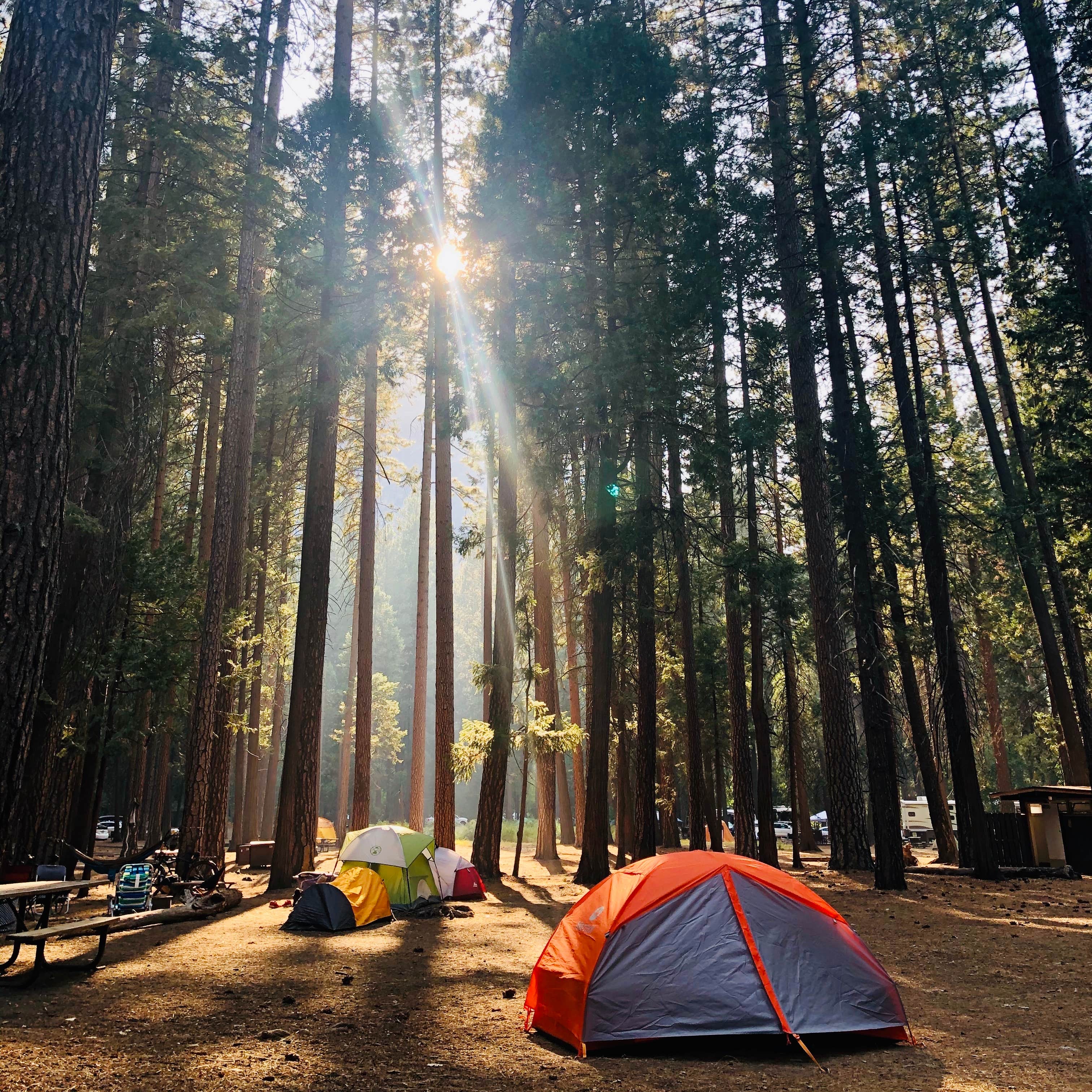
Upper Pines Campground — Yosemite National Park
Upper Pines Campground sits in eastern Yosemite Valley beneath Half Dome, hosting 238 sites open year-round. The campground provides basic amenities including drinking water, flush toilets, and food storage lockers at each site. Fire rings and picnic tables come standard. Sites accommodate tents and RVs up to 35 feet, though no hookups exist. The central valley location puts you within walking distance of major trailheads including Happy Isles and Mirror Lake. Sites have limited privacy with neighbors often visible through the pines.
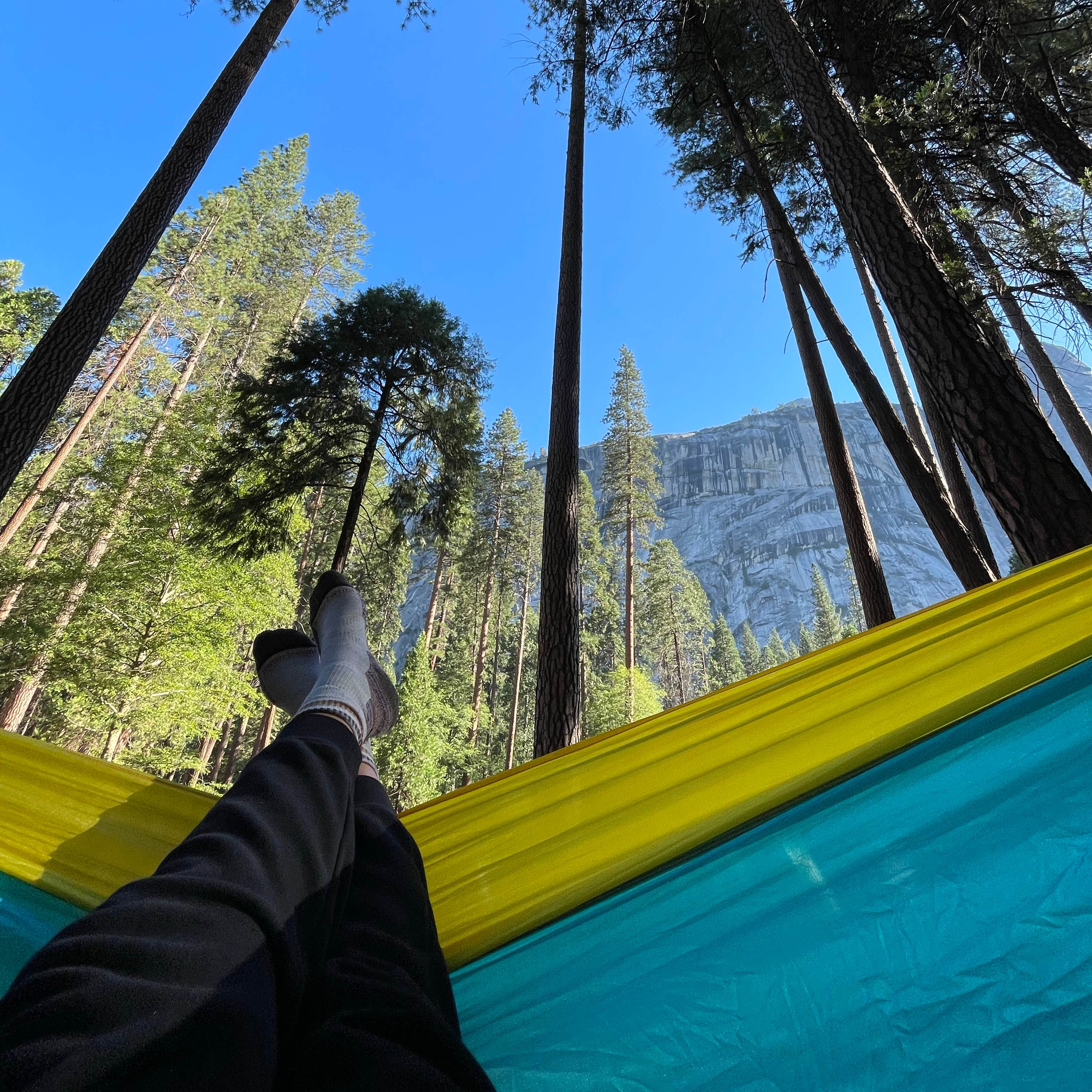
North Pines Campground — Yosemite National Park
North Pines Campground contains 81 sites in the east valley alongside the Merced River. Open from spring through fall (typically April-October), this campground offers a slightly quieter alternative to Upper Pines while remaining within walking distance of major valley attractions. Sites include standard amenities: fire rings, picnic tables, and bear lockers. River-adjacent sites in Loop A provide natural white noise and pleasant views but fill fastest during reservation windows.
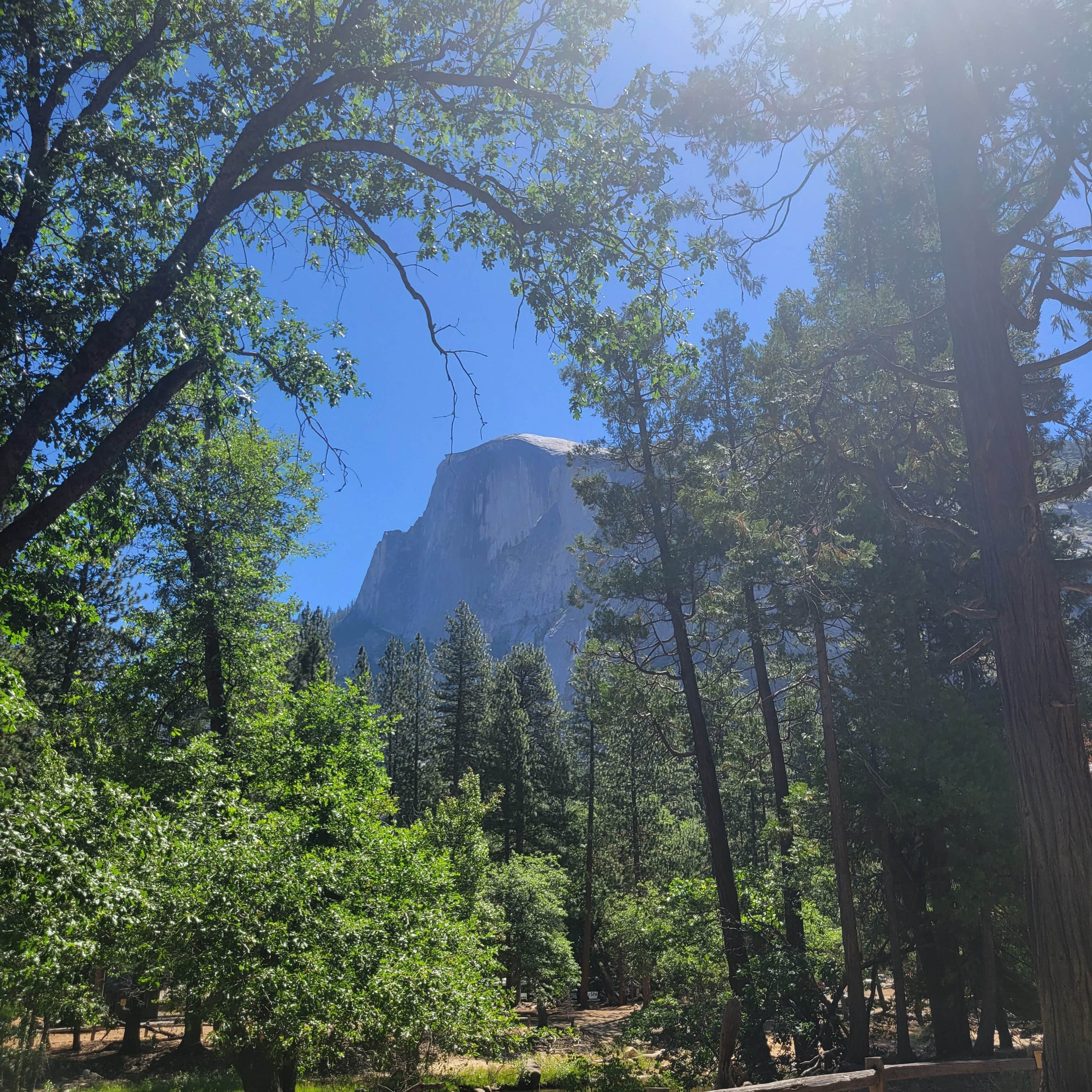
Lower Pines Campground — Yosemite National Park
Lower Pines Campground features 60 sites in the east valley, operating seasonally from spring through fall. This campground sits between Upper Pines and the Merced River, with some sites offering direct river access. The smaller size creates a slightly more intimate feel than larger valley campgrounds. Standard amenities include food lockers, picnic tables, and fire rings, with central bathrooms providing flush toilets and running water. The most sought-after sites provide more open views toward Half Dome.
Camp 4 — Yosemite National Park
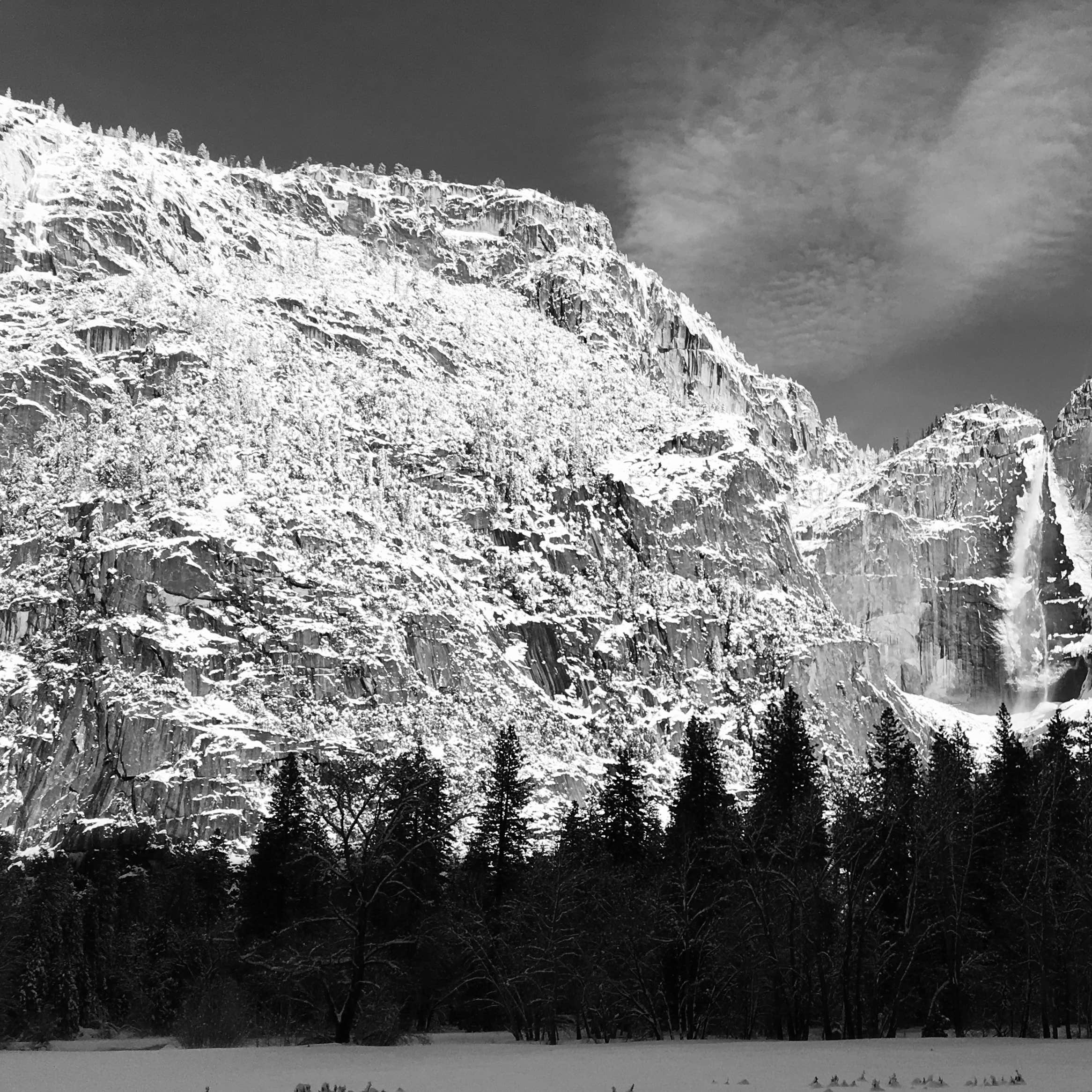
Camp 4 offers 36 walk-in tent sites in the western valley near the base of El Capitan, historically known as the climbers' campground. Unlike other valley options, Camp 4 operates with shared sites - six people per site, often grouping strangers together. The campground provides a communal, social atmosphere with shared picnic tables and cooking areas. During peak season, Camp 4 uses a lottery system on Recreation.gov with applications accepted one week in advance. The per-person fee structure ($10/person/night) differs from other campgrounds.
Housekeeping Camp is another valley option worth knowing about -- it offers canvas tent-cabin structures along the Merced River, a step above primitive camping without full cabin amenities. See Housekeeping Camp on The Dyrt for current availability and reviews. Tent camping in Yosemite Valley spans several campgrounds and fills exceptionally fast during summer -- plan your reservation strategy well in advance.
Wawona and South Entrance Area
Wawona sits 27 miles from the valley near the south entrance -- a genuinely quieter base that puts you close to Mariposa Grove and the Chilnualna Falls trail. Wawona Campground operates year-round and is one of the few in-park options that doesn't feel completely packed in summer. Bridalveil Creek Campground on Glacier Point Road is another solid pick if you want cooler temperatures and first-come, first-served availability. Wawona also has a dedicated horse camp -- see Wawona horse camping in Yosemite if you're bringing stock. For horse camping near Yosemite National Park, options extend into the surrounding national forests as well.
Wawona Campground — Yosemite National Park
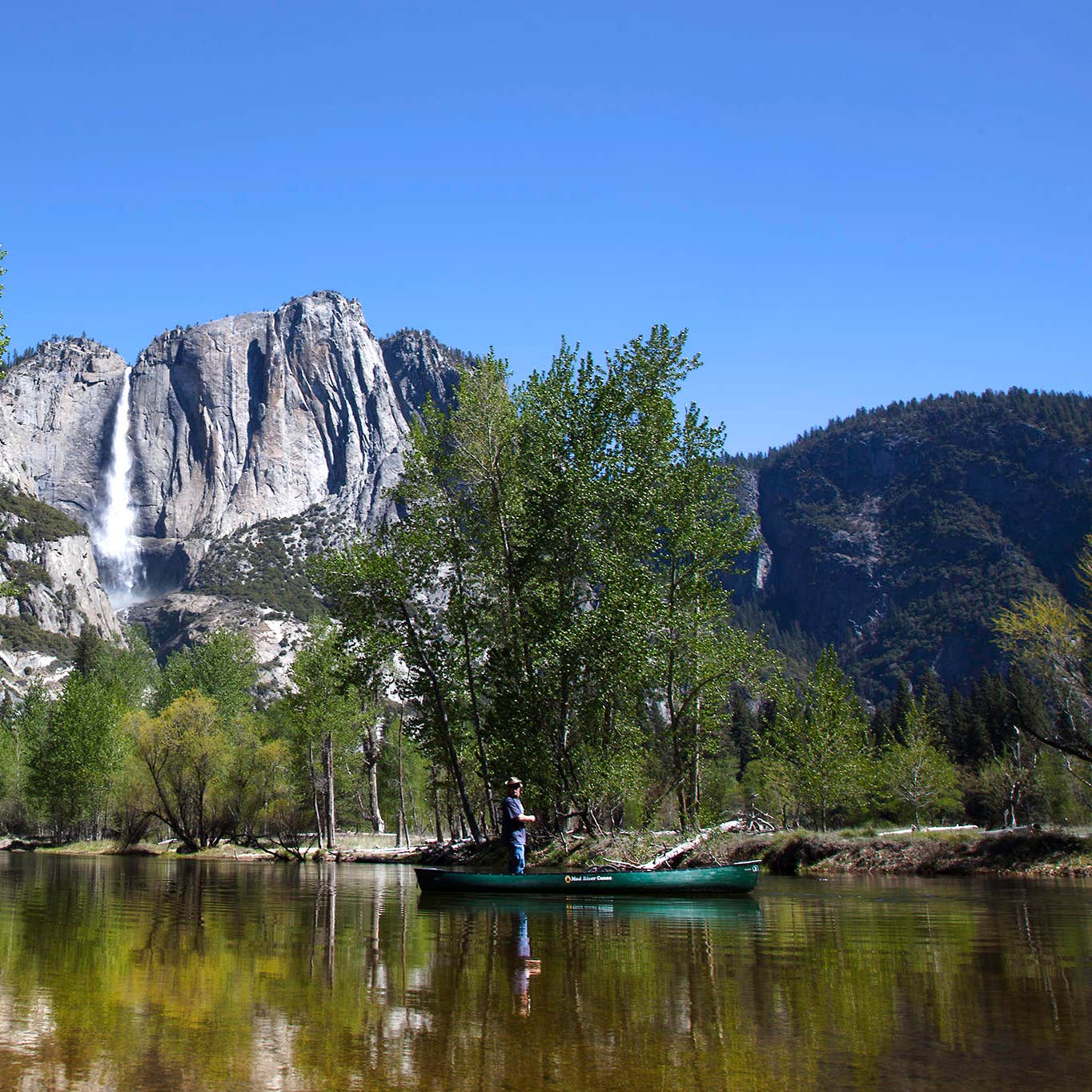
Wawona Campground contains 93 sites near the park's south entrance, approximately 27 miles from Yosemite Valley. Set among pine and cedar trees along the South Fork of the Merced River, this campground offers a quieter experience than valley locations. Sites include standard picnic tables, fire rings, and food storage lockers with central bathrooms providing flush toilets. The campground accommodates tents and RVs up to 35 feet but offers no hookups. Operating year-round with full capacity during summer and reduced loops in winter.
Bridalveil Creek Campground — Yosemite National Park
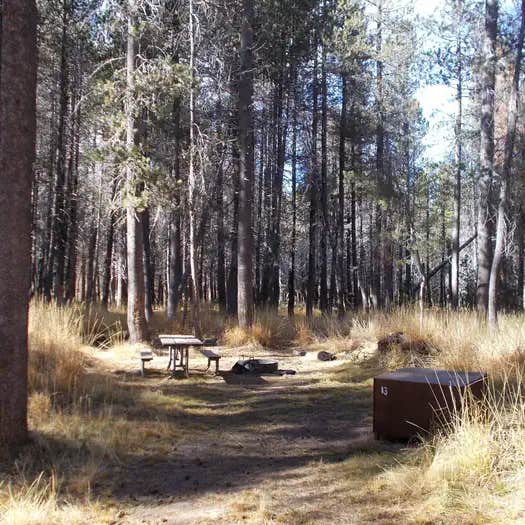
Bridalveil Creek Campground includes 110 sites along Glacier Point Road at 7,200 feet elevation, operating seasonally from approximately late June through early September. The campground's higher elevation setting among lodgepole pines provides cooler summer temperatures and a quieter atmosphere than valley locations. Standard amenities include picnic tables, fire rings, food storage lockers, and vault toilets. No showers or RV hookups exist. The campground operates primarily on a first-come, first-served basis.
Tioga Road and High Country Campgrounds
Tioga Road campgrounds are a different world from the valley -- less crowded, cooler, and surrounded by granite domes and alpine meadows. Tuolumne Meadows Campground is the largest and most central, reopened in 2026 after its rehabilitation closure. Tamarack Flat and Yosemite Creek are more primitive, first-come, first-served options that stay genuinely quiet even in peak season. Porcupine Flat sits at 8,100 feet and works well for small RVs up to 24 feet. White Wolf is another good option along Tioga Road -- see White Wolf Campground Yosemite for current details.
Tuolumne Meadows Campground — Yosemite National Park
Tuolumne Meadows Campground sits along Tioga Road at 8,600 feet in Yosemite's high country, with a mix of tent, RV, hike-in, group, and horse sites. Campsites include picnic tables, fire rings, and bear-proof food lockers; restrooms have flush toilets and drinking water, and there's an amphitheater, visitor center, and small store nearby. Reopened in 2026 following a multi-year rehabilitation closure, the campground has no hookups, a dump station is nearby, and reservations are made through Recreation.gov.
Tamarack Flat Campground — Yosemite National Park
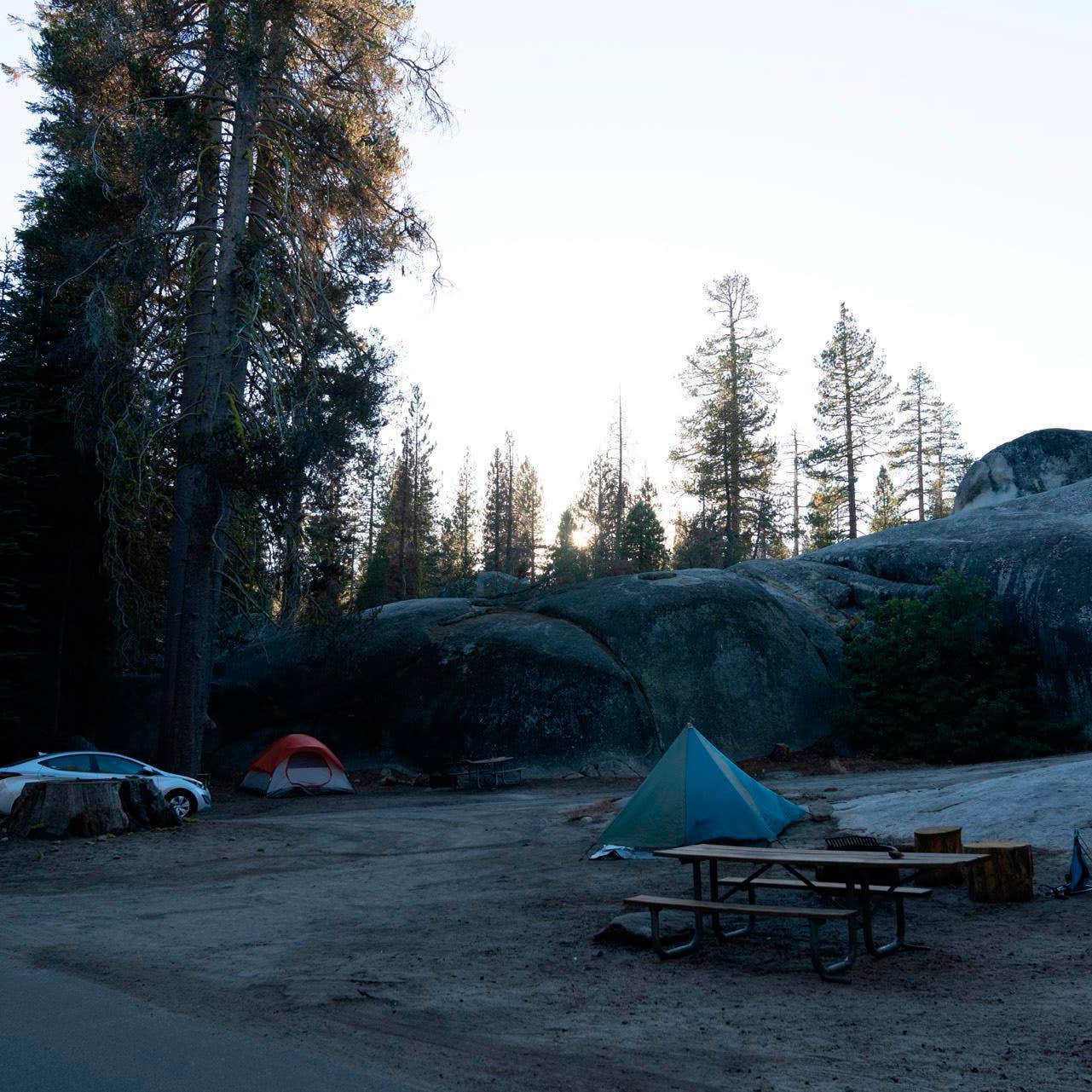
Tamarack Flat Campground sits 3 miles off Tioga Road at ~6,300 feet, offering 52 tent-friendly sites in a quiet forest near Tamarack Creek. Access is via a narrow single-lane road; RVs and trailers aren't recommended. Sites include picnic tables, fire rings, and bear-proof lockers; vault toilets are available and there's no potable water (treat stream water). Open seasonally with no hookups, it delivers a primitive, shaded setting away from the valley bustle, with nearby trail access toward El Capitan and Yosemite Creek for adventurous day hikes.
Yosemite Creek — Yosemite National Park
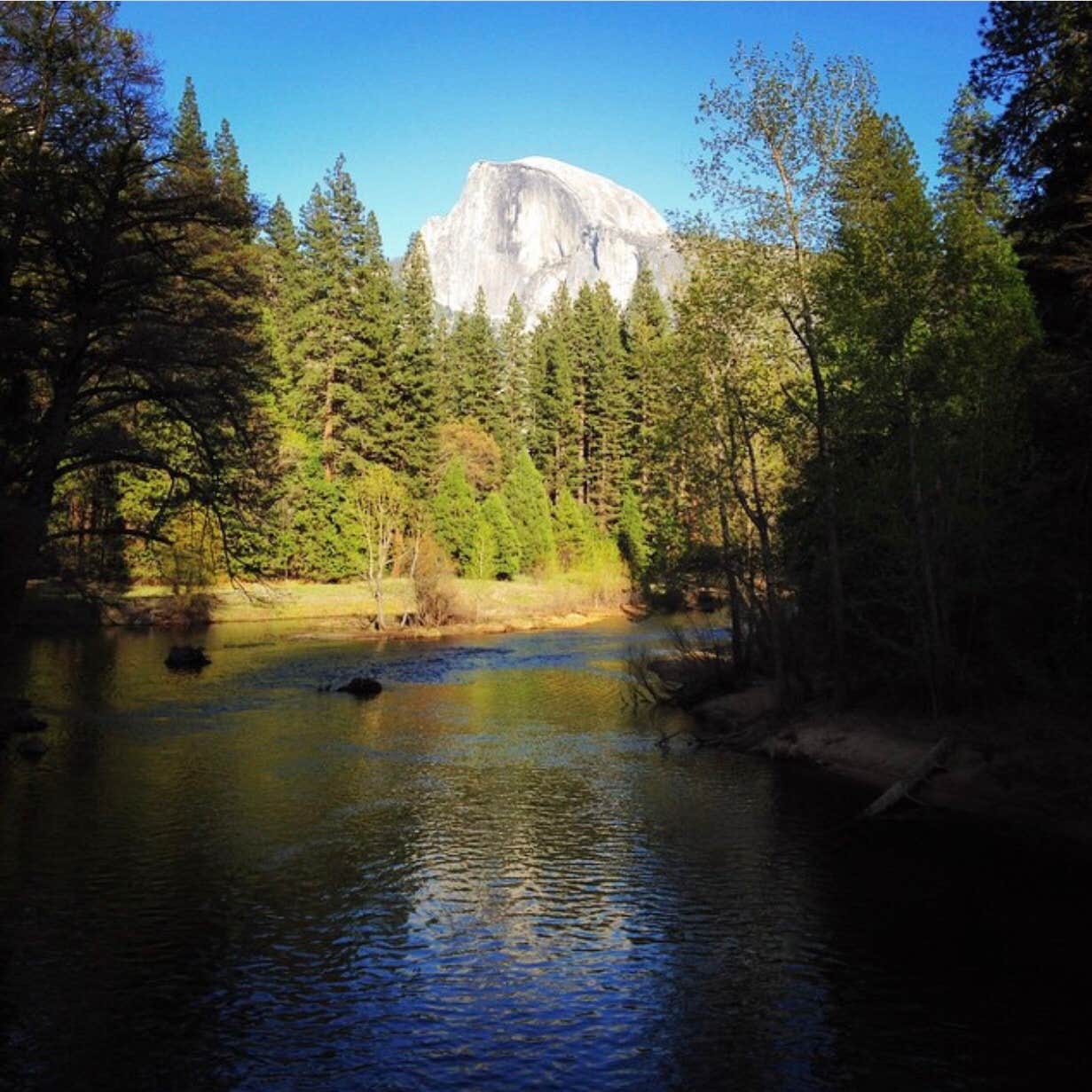
Yosemite Creek Campground features 75 primitive sites along a spur road off Tioga Road at 7,700 feet. Operating seasonally from approximately July through early September, this campground offers a more secluded experience. The campground provides picnic tables, fire rings, and food storage lockers. Vault toilets serve as the only facilities, with drinking water available from Yosemite Creek (must be filtered or treated). The rough 4.5-mile access road makes this location less suitable for RVs or trailers.
Porcupine Flat Campground — Yosemite National Park
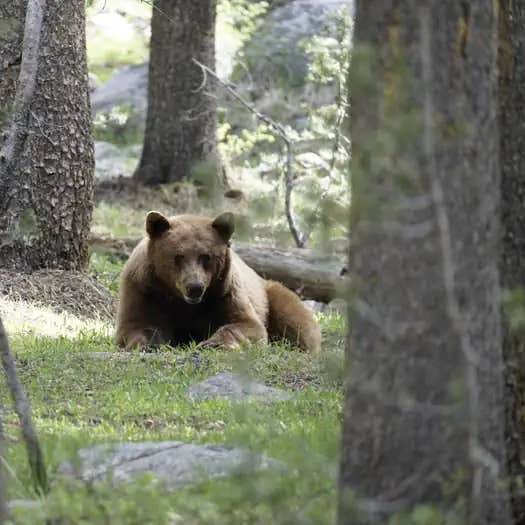
Porcupine Flat Campground contains 52 basic sites along Tioga Road at 8,100 feet elevation. Open seasonally from approximately July through October, this no-frills campground offers an experience between developed camping and backcountry. Sites include tables, fire rings, and food storage lockers. Vault toilets provide the only facilities, with drinking water available only early and late season. Sites accommodate tents and small RVs up to 24 feet.
Big Oak Flat Area
Hodgdon Meadow near the Big Oak Flat entrance is one of the more overlooked in-park campgrounds -- operating year-round at a lower elevation (4,900 feet) that makes it accessible when higher sites are closed. It's a reasonable base for visiting both the valley and the Tuolumne Grove of giant sequoias. The Hetch Hetchy area also has its own camping at Hetch Hetchy Campground, which serves as a starting point for the O'Shaughnessy Dam trail and Wapama Falls hike.
Hodgdon Meadow Campground — Yosemite National Park
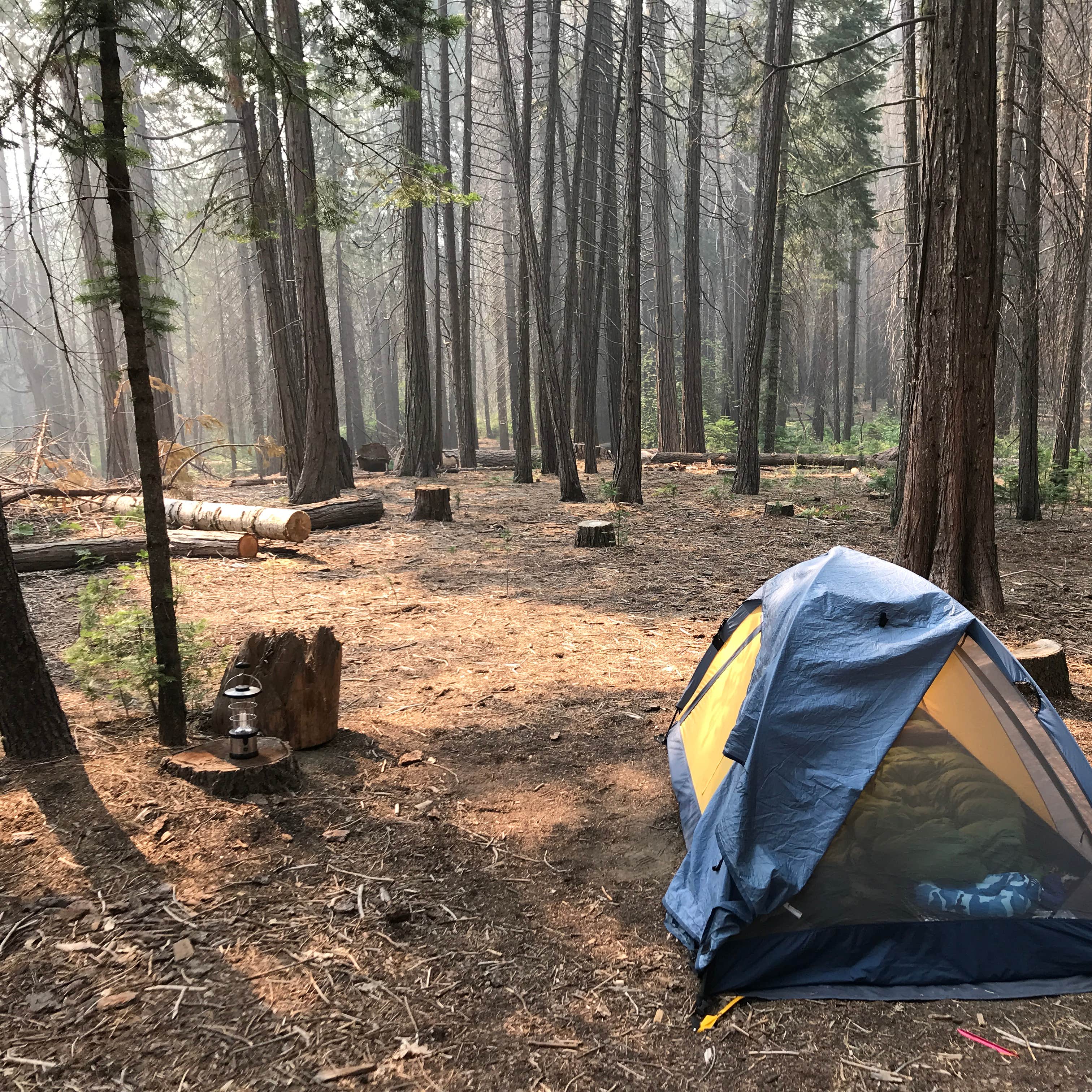
Hodgdon Meadow Campground contains 105 sites near the Big Oak Flat entrance at 4,900 feet elevation. Operating year-round, this campground offers accessibility when higher-elevation options close due to snow. Sites include standard amenities: picnic tables, fire rings, and food storage lockers. From April through October, the campground operates on a reservation system through Recreation.gov. Winter months function on a first-come, first-served basis with reduced loops open.
Campground Comparison Table
| Campground | Location & Sites | Cost & Reservations |
|---|---|---|
| Upper Pines | Yosemite Valley 238 sites | $36 Recreation.gov |
| North Pines | Yosemite Valley 81 sites | $36 Recreation.gov |
| Lower Pines | Yosemite Valley 60 sites | $36 Recreation.gov |
| Camp 4 | Yosemite Valley 36 sites | $10/person Lottery in peak season |
| Wawona | South Yosemite 93 sites | $36 Recreation.gov |
| Bridalveil Creek | Glacier Point Road 110 sites | $27 First-come, first-served |
| White Wolf | Tioga Road 74 sites | $27 First-come, first-served |
| Crane Flat | Big Oak Flat junction 166 sites | $36 Recreation.gov |
| Hodgdon Meadow | Big Oak Flat entrance 105 sites | $36 Recreation.gov |
| Tuolumne Meadows | Tioga Road (8,600 ft) Mixed tent/RV/group | $26 Recreation.gov (reopened 2026) |
Campground Amenities and Best Uses
Valley Campgrounds: Upper Pines offers year-round access and proximity to valley attractions but has limited privacy between sites. Lower Pines provides Half Dome views and river access with a central location. North Pines excels for river access and slightly quieter valley location. Camp 4 serves climbers, solo travelers, and those wanting a social atmosphere at an affordable per-person rate.
Outside Valley Options: Wawona provides year-round access and proximity to Mariposa Grove in a quieter setting than the valley. Bridalveil Creek offers cooler temperatures and access to Glacier Point. High-country sites like White Wolf provide quieter options with access to less-traveled trails.
High Country Access: Tioga Road campgrounds provide access to alpine lakes and meadows with cooler summer temperatures, though they require self-sufficiency and close early due to snow. Tuolumne Meadows, now back open after its 2024-2025 rehabilitation, is the anchor of high-country camping in the park.
Best Campsites at Yosemite National Park
Not all sites within a campground are created equal. A few that consistently earn praise from The Dyrt community:
In Upper Pines, the 200-numbered sites along the outer loop tend to have slightly more space and a bit more separation from neighbors. Lower Pines sites 37-41 offer the clearest sightlines toward Half Dome and are among the most sought-after in the valley. At North Pines, Loop A sites back directly against the Merced River -- natural white noise, more privacy on the river side, and a calmer feel than the sites deeper in the campground. At Camp 4, arriving early on non-lottery days gives you the best shot at a site on the quieter western end of the campground. At Tuolumne Meadows, sites in the tent-only loops near the river tend to fill first for good reason -- the sound of the Tuolumne River in the morning makes a real difference.
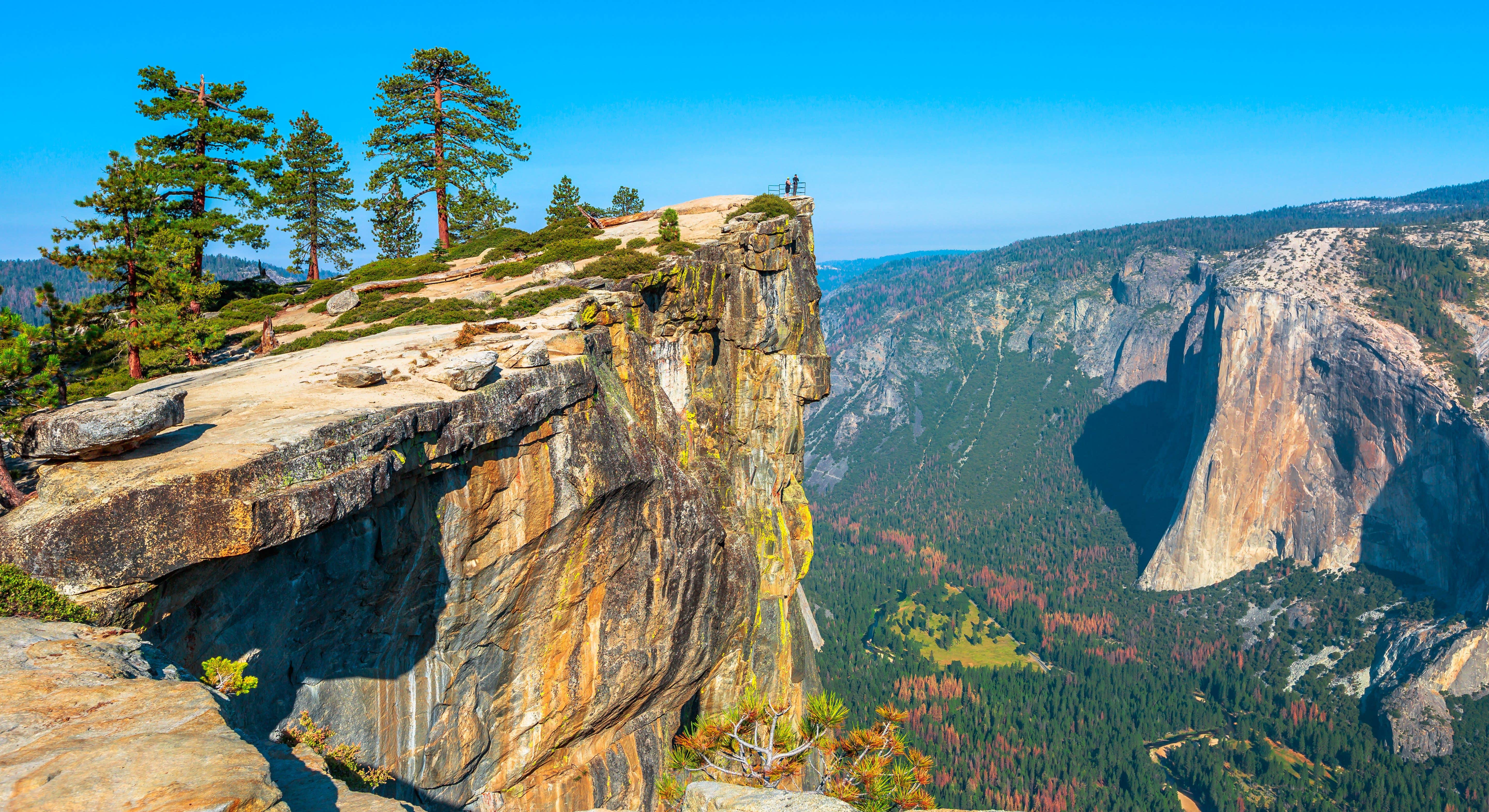 Photo by Benny Marty
Yosemite RV Camping 
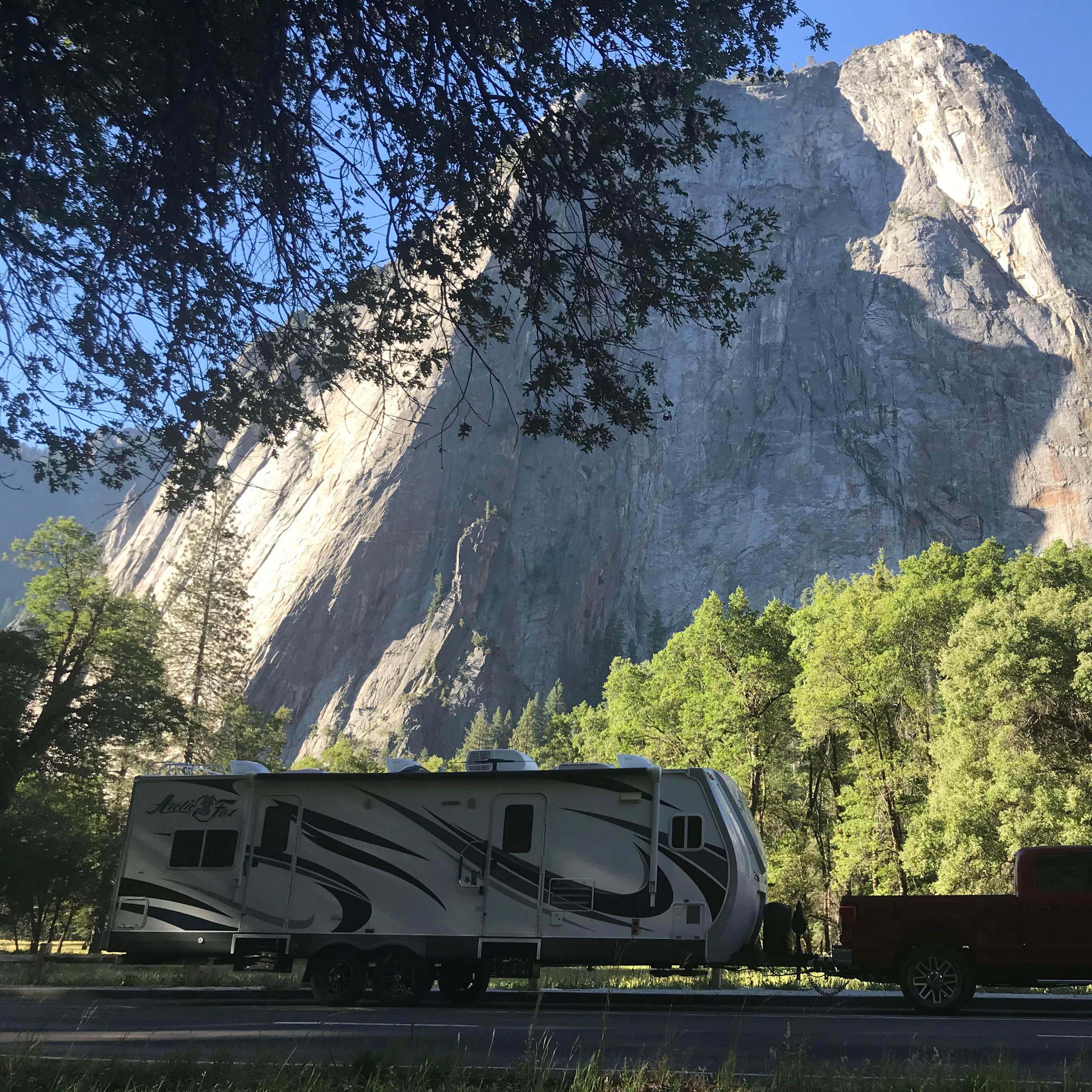
No campground inside Yosemite offers electrical, water, or sewer hookups. RV camping in the park means dry camping at designated sites, most of which have a dump station nearby. Valley campgrounds (Upper Pines, North Pines, Lower Pines) accommodate RVs up to 35 feet. Crane Flat and Hodgdon Meadow also take RVs up to 35 feet. Tuolumne Meadows has a mix of RV-accessible and tent-only sites. Porcupine Flat is the most limited at 24 feet maximum. Tamarack Flat and Yosemite Creek are not suitable for RVs or trailers due to narrow, rough access roads.
Generator use is permitted at most campgrounds only during specified hours -- typically 7-9 AM, noon-2 PM, and 5-7 PM. Check the specific campground rules, as these windows vary. Dump stations are available near Upper Pines and at Tuolumne Meadows. Full-hookup RV camping requires staying outside the park at private resorts in El Portal, Groveland, or other gateway communities. If you're camping nearby with an RV and want to compare options, RV camping near Sequoia and Kings Canyon National Parks is another alternative worth considering for a Sierra Nevada basecamp.
Free and Dispersed Camping Near Yosemite
No free camping exists inside Yosemite's boundaries -- all campgrounds charge fees. But the national forests surrounding the park offer legitimate free and low-cost alternatives. Stanislaus National Forest to the west, Sierra National Forest to the south, and Inyo National Forest to the east all have dispersed camping zones accessible without a reservation or fee. Dispersed camping near Yosemite Valley includes spots along forest roads that put you within a reasonable drive of the park's major entrances.
For specific locations, Yosemite boondocking and dispersed camping options are documented with real camper reviews on The Dyrt. Lake Alpine Silver Valley Campground in Stanislaus National Forest is a good option on the western approach to the park -- it sits near Highway 4 and offers a lower-cost base for day trips into Yosemite. Eastman Lake campgrounds in the San Joaquin Valley foothills are a good southern-approach option -- a lower-cost stopping point before or after a Yosemite visit.
Key rules for dispersed camping in national forests near Yosemite: stay no more than 14 days in one spot, camp at least 100 feet from water sources and trails, and pack out everything you pack in. Fire restrictions in the Sierra Nevada are common from mid-summer through fall -- check with the relevant ranger district before your trip.
Planning Your Yosemite Camping Trip 
When to Visit
| Season | Temperatures | Camping Conditions |
|---|---|---|
| Spring (March-May) | Valley: 60-73 degrees F days, 35-42 degrees F nights High Country: Snow-covered | Valley campgrounds open by May Wawona open Tioga Road closed |
| Summer (June-August) | Valley: 82-90 degrees F days, 48-55 degrees F nights High Country: 70-80 degrees F days, 30-40 degrees F nights | All campgrounds open Highest demand period Reservations essential |
| Fall (September-October) | Valley: 74-58 degrees F days, 39-31 degrees F nights High Country: 60-40 degrees F days, 25-15 degrees F nights | All campgrounds open until first snow Moderate crowds Beautiful fall colors |
| Winter (November-February) | Valley: 48-55 degrees F days, 26-30 degrees F nights High Country: Inaccessible | Upper Pines, Camp 4, Wawona (limited) Hodgdon Meadow (limited) |
Spring (March-May):
Late spring offers a strong combination of flowing waterfalls, blooming wildflowers, and increasing accessibility. By May, the valley's dogwoods bloom while waterfalls reach peak flow from snowmelt. Valley campgrounds operate at full capacity, though higher elevation options remain snow-covered. Temperatures span from comfortable days to cold nights, requiring layers and proper sleeping gear. Crowds build toward Memorial Day but remain manageable compared to peak summer.
Summer (June-August):
Summer brings the park's busiest season with all facilities operating and areas accessible. Once Tioga Road opens (typically by late June), high-country campgrounds provide access to alpine lakes and meadows. July and August see the heaviest visitation, with campgrounds filling immediately upon reservation release. Days warm to the 80s in the valley while high country remains more moderate. Afternoon thunderstorms occur frequently in July and August, creating potential hazards on exposed trails.
Fall (September-October):
Fall marks a transition toward quieter conditions, especially after Labor Day. September maintains summer-like conditions with slightly cooler temperatures and decreased crowds. By October, fall colors emerge in the valley's deciduous trees while the first snow often dusts higher elevations. Most campgrounds remain open through October, with high-country options closing after the first significant snowfall closes Tioga Road. Nights grow increasingly cold, often dropping below freezing.
Winter (November-February):
Winter transforms Yosemite into a snow-covered landscape with dramatically reduced crowds. Only four campgrounds operate: Upper Pines and Camp 4 in the valley, plus limited sections of Wawona and Hodgdon Meadow. All function primarily on a first-come, first-served basis during winter. Valley temperatures typically range from 40-50 degrees F during days with nights in the 20s, though colder periods drop well below freezing. Snow accumulates throughout the season, particularly in January and February.
Yosemite Reservation Systems Explained
Securing a Yosemite campsite requires understanding the reservation process. For a detailed breakdown of the full booking system and strategies that work, read The Dyrt's guide to Yosemite camping reservations.
National Park Campgrounds use Recreation.gov for reservations during their primary operating season. Reservations become available in blocks, 5 months in advance, on the 15th of each month at 7:00 AM Pacific Time. Demand greatly exceeds supply, especially for valley campgrounds during summer months. Most sites book within minutes or even seconds of becoming available.
For the best chance of securing a reservation:
- Create your Recreation.gov account beforehand and log in before the booking window opens
- Have alternate dates ready if your first choice isn't available
- Be prepared with payment information
- Consider less popular campgrounds or weekday arrivals
- Check for cancellations regularly, especially 2-7 days before desired dates
First-Come, First-Served Options during the off-season (typically November through March) include Upper Pines (limited sites), Camp 4, Wawona (limited sites), and Hodgdon Meadow (limited sites). For summer first-come, first-served campgrounds (Bridalveil Creek, White Wolf, Yosemite Creek, Porcupine Flat), arrive early in the morning (before 9 AM) and try midweek rather than weekends.
Camp 4 Special System uses a unique process. During peak season (late May through mid-September), it operates a daily lottery through Recreation.gov with one-day-ahead lottery application. Off-season operates traditional first-come, first-served with registration at the campground.
Campground Costs and Budgeting
| Campground Type | Nightly Cost | Key Features |
|---|---|---|
| Valley Campgrounds | $36 | Flush toilets, drinking water, fire ring, picnic table, food storage locker |
| High-Country Campgrounds | $20-27 | Vault or flush toilets, drinking water (most sites), fire ring, picnic table |
| Camp 4 (walk-in) | $10/person | Shared sites (6 people per site), flush toilets, drinking water, no fires allowed |
Additional Fees and Budget Tips
Park and Entry Fees: Park entrance fee costs $35/vehicle (7 days) or $70 for an annual Yosemite pass. The America the Beautiful Pass at $80 annually covers all national parks.
Facility and Service Fees: Showers cost $5 per shower at Curry Village/Half Dome Village. Ice costs $4-6 per bag at valley stores. Firewood costs $8-10 per bundle inside the park. Bear canister rentals cost $5 per week if backcountry camping.
Budget-Friendly Tips: Visit during shoulder seasons for better availability and rates. Purchase an America the Beautiful Pass if visiting multiple parks. Stay at first-come, first-served campgrounds which are often less costly. Bring your own firewood from outside the immediate area.
Essential Gear for Yosemite Camping
The high-elevation environment and variable weather require specific gear considerations:
Shelter and Sleeping:
- Tent with rainfly and footprint (storms can develop quickly)
- Sleeping bag rated at least 20 degrees F colder than expected temperatures
- Insulated sleeping pad with R-value of at least 4 for ground insulation
- Extra blanket for unexpected cold snaps
- Shade structure or tarp for summer sun protection
- Bungee cords and extra stakes for securing gear in windy conditions
Kitchen Equipment:
- Bear-resistant food storage containers (if not using provided lockers)
- Camp stove and extra fuel
- Water containers and treatment method
- Cooler with block ice (lasts longer than cubed)
- Dish washing basin to avoid washing directly in bathroom sinks
- Garbage bags for packing out trash
Clothing:
- Layering system essential for dramatic temperature changes
- Moisture-wicking base layers
- Insulating mid-layers (fleece or down)
- Waterproof/windproof outer layer
- Warm hat and gloves even in summer
- Sturdy hiking boots with ankle support
Wildlife Safety and Park Regulations 
Black Bear Safety in Yosemite
Yosemite hosts a significant black bear population that regularly visits campgrounds when food is improperly stored. Follow these essential guidelines:
Food Storage Requirements:
- Use provided food storage lockers at all times (mandatory, not optional)
- Store ALL food, toiletries, and scented items in lockers when not actively using them
- Nothing scented may remain in vehicles day or night (even empty coolers)
- Wash dishes immediately after meals and store
- Dispose of trash in bear-resistant dumpsters promptly
- Typical metal food lockers are 33"(d) x 45"(w) x 18"(h) and must fit all food and scented items
Bear Encounter Guidelines:
- If you see a bear in a developed area, make noise to scare it away
- Maintain distance of at least 50 yards from all bears
- Never approach or feed bears under any circumstances
- If a bear approaches your campsite, yell, clap hands, bang pots
- Report all bear sightings to the nearest ranger station
Park Regulations and Etiquette
| Regulation Category | Specific Rules | Penalties |
|---|---|---|
| Campfires | Allowed only in established fire rings Valley campfire hours limited to 5pm-10pm Must be attended at all times Subject to seasonal fire restrictions | Fines starting at $250 Possible eviction from campground |
| Food Storage | All food, trash, toiletries must be in food lockers No food in vehicles or tents Clean tables and grills after use | Fines starting at $125 Possible eviction from campground |
| Quiet Hours | 10:00 PM to 6:00 AM Generator hours: 7-9 AM, 12-2 PM, 5-7 PM only | Warning, then possible eviction |
Additional Park Regulations
Camping Limits: Maximum 6 people per site, maximum 2 vehicles per site, 30-night annual camping limit, 14-night limit May-September, and 7-night limit in valley campgrounds during summer.
Protected Resources: No collecting plants, rocks, wood, or artifacts. No feeding or approaching wildlife. Stay on established trails. No nails in trees or trenching around tents. No drones/UAVs in the park.
Other Important Rules: Check-in time is 12:00 PM, check-out time is 12:00 PM. Quiet hours (10:00 PM - 6:00 AM) strictly enforced. Pets must be leashed at all times and cannot be left unattended. Pets prohibited on all trails except paved paths. Fishing requires California fishing license and follows specific park regulations.
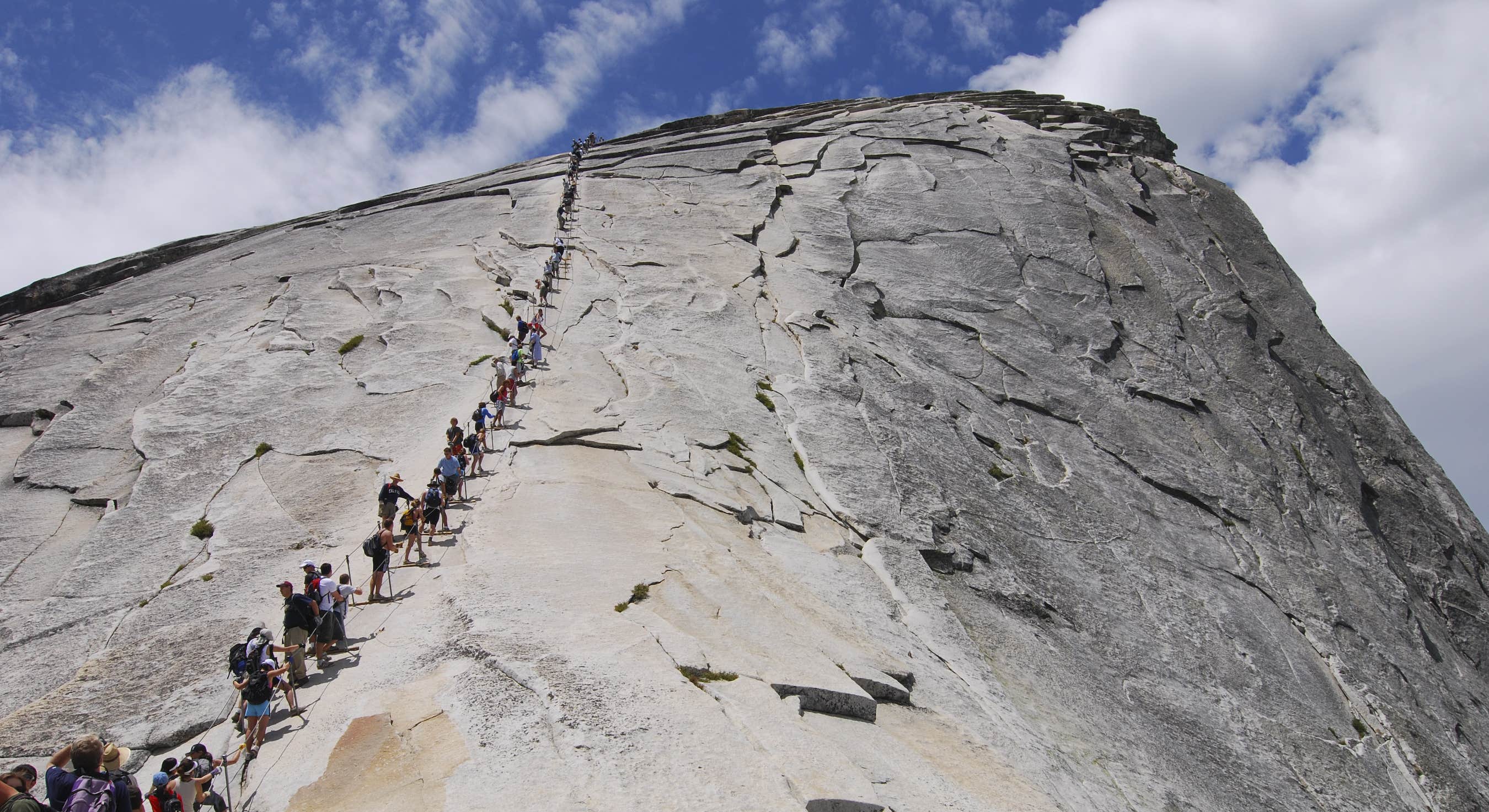 Photo by Mark Yarchoan
Beyond the Campground: Activities and Exploration 
Day Trips from Yosemite Campgrounds
From Valley Campgrounds:
Glacier Point: A 32-mile drive from the valley (one hour each way) leads to this viewpoint with panoramic vistas of Half Dome, Nevada Fall, Vernal Fall, and the High Sierra. The point sits at 7,214 feet, providing a dramatically different perspective than from the valley floor. Mariposa Grove of Giant Sequoias -- Located near the south entrance, about a 45-minute drive from the valley, this grove contains over 500 mature giant sequoia trees, including the 1,800-year-old Grizzly Giant. A shuttle bus operates from the parking area to the grove during peak season. Hetch Hetchy Valley: This lesser-visited area about 38 miles from Yosemite Valley (1.5-hour drive) has excellent spring hiking with waterfalls, wildflowers, and fewer crowds. The Rancheria Falls Campground along the Hetch Hetchy reservoir trail is a backcountry option if you want to camp on that side of the park.
From High Country Campgrounds:
Tuolumne Meadows: Those staying along Tioga Road have easy access to sub-alpine meadows, granite domes, and high-country lakes. The area has numerous day hikes, including Lembert Dome (2.8 miles round-trip), Elizabeth Lake (4.8 miles round-trip), and Cathedral Lakes (7-8 miles round-trip). Tuolumne Meadows Lodge offers canvas tent-cabin accommodations as an alternative to camping for part of your high-country stay. Mono Lake and Eastern Sierra: From Tuolumne Meadows campgrounds, the eastern entrance of the park (Tioga Pass) sits just 10 miles away. Beyond the pass, a 12-mile drive leads to Mono Lake with its otherworldly tufa towers. Tenaya Lake: Often called "the jewel of the high country," this alpine lake sits right along Tioga Road, about 10 miles west of Tuolumne Meadows. The clear blue waters surrounded by granite domes offer swimming (though quite cold), picnicking, and photography opportunities.
Yosemite Backcountry and Wilderness Camping
The park has over 800 miles of trails and dozens of backcountry campsites spread across its high country. A wilderness permit is required for all overnight backcountry trips -- these are available through Recreation.gov and go fast for peak season dates. Common starting points and destinations include:
Little Yosemite Valley Campground is one of the most-used backcountry camps in the park, positioned along the John Muir Trail just above Nevada Fall. It's a popular first night for Half Dome permit holders -- read The Dyrt's Half Dome permits guide before planning that hike. Merced Lake sits deeper in the canyon and offers a more remote feel with a High Sierra Camp nearby. Glen Aulin at the top of the Grand Canyon of the Tuolumne is a classic starting point when heading into the northern high country. Vogelsang offers high-elevation camping near one of the park's most well-regarded High Sierra Camps at over 10,000 feet.
Other notable backcountry destinations include May Lake on the slopes of Mount Hoffmann, Sunrise Lakes backcountry camp, Young Lakes north of Tuolumne Meadows, Upper Lyell Canyon footbridge campsite, Sunrise High Sierra Camp, and Dewey Point on the south rim of the valley. For winter wilderness travel, the Ostrander Ski Hut offers a unique backcountry shelter accessible by ski or snowshoe during winter months, requiring a separate reservation through the Yosemite Conservancy. The Glacier Point Ski Hut is another winter-only option for experienced backcountry skiers.
Chilnualna Falls in the Wawona area connects to a longer backcountry loop into the southern park -- a good option if you're based at Wawona and want a multi-night trip without the crowds of the valley. Royal Arch Lake and Yosemite Ridge are additional less-trafficked backcountry options. The Shooting Star Sanctuary near Yosemite is a private glamping-style property outside the park boundary -- a comfortable base to mix with backcountry nights inside the park.
Top Hiking Trails Near Campgrounds
| Trail Name | Difficulty & Distance | Key Features |
|---|---|---|
| Mist Trail to Vernal & Nevada Falls | Moderate to Strenuous 3 miles RT to Vernal Fall 7 miles RT to Nevada Fall | Up-close waterfall views, stone stairways through mist, valley views from top |
| Valley Loop Trail | Easy to Moderate 13 miles full loop (flat) | Valley meadow views, less crowded than other trails, year-round accessibility |
| Four Mile Trail to Glacier Point | Strenuous 4.8 miles one-way | Switchbacks up valley wall, expanding views as you climb, panoramic vista |
| Cathedral Lakes | Moderate 7 miles RT to Lower Lake | Alpine lakes with mountain reflections, meadows and forest sections |
| Sentinel Dome/Taft Point Loop | Moderate 5 miles loop | 360-degree views from Sentinel Dome, sheer drop-offs at Taft Point |
| Wawona Meadow Loop | Easy 3.5 miles loop | Historic meadow views, dog-friendly (rare in Yosemite), flat wide path |
Trail Access and Starting Points
Valley Access: Mist Trail starts at Happy Isles (Shuttle Stop #16), while Four Mile Trail begins near Swinging Bridge. Valley Loop Trail has multiple access points throughout the valley.
High Country Access: Cathedral Lakes trail starts at Tuolumne Meadows, west of visitor center. Sentinel Dome/Taft Point Loop begins at parking area on Glacier Point Road.
Family-Friendly Options: Wawona Meadow Loop starts at Wawona Hotel and is one of the few dog-friendly trails in the park.
Water Activities in Yosemite
Despite being known for waterfalls rather than lakes, Yosemite offers several water-based recreational options:
Swimming Areas:
- Sentinel Beach (Yosemite Valley) -- Sandy beach area along the Merced River with swimming holes and gentle current during summer. Located near Sentinel Bridge with nearby parking.
- Cathedral Beach (Yosemite Valley) -- Another Merced River access point with sandy areas and swimming holes. Views of El Capitan make this a good swimming spot.
- Tenaya Lake (Tioga Road) -- Clear, cold alpine lake at 8,150 feet. The east beach provides the best swimming access with a sandy shoreline. Water remains very cold even in summer.
Fishing Opportunities:
- Merced River (Valley) -- Catch-and-release fishing for rainbow and brown trout in the valley sections. California fishing license required for anglers 16 and older.
- Tuolumne River (High Country) -- High-country sections hold native brook trout and rainbow trout. The meadows section offers gentle currents and clear pools.
- High Sierra Lakes -- Various lakes throughout the park's high country offer fishing, particularly for brook and rainbow trout.
Water Safety Guidelines:
- Cold water shock can occur even on hot days - enter slowly
- Swift currents exist even in seemingly calm sections of rivers
- No lifeguards monitor any swimming areas - swim at your own risk
- Never swim or wade above waterfalls or in rapids
- Life jackets recommended for children and weak swimmers
The Dyrt Community Insights 
Ranger Recommendations
The Dyrt Rangers - experienced campers who document and review camping areas - offer these insider tips for Yosemite:
Best Sites at Valley Campgrounds:
"In Lower Pines, sites 37-41 offer the most space and best views toward Half Dome," notes one Dyrt Ranger with over 20 Yosemite trips. "Loop A sites in North Pines back directly against the Merced River, providing pleasant background sounds and more privacy on one side." For Upper Pines, Rangers consistently recommend the 200-numbered sites along the outer edges which tend to have slightly more space and separation from neighbors.
Timing Tips for Better Experiences:
"The first two weeks of June often hit the sweet spot - waterfalls still flowing strong but before peak summer crowds and heat," suggests a longtime Yosemite visitor. Several Rangers recommend sunrise trips to popular viewpoints, noting that early risers can reach spots like Tunnel View or Glacier Point with minimal crowds before 8:00 AM.
Weather Adaptation Strategies:
Multiple Rangers emphasize Yosemite's temperature fluctuations, particularly the cold nights even during summer months. "Bring a sleeping bag rated at least 15-20 degrees below the forecast low temperature," advises one high-country camping specialist. For camping in shoulder seasons, Rangers recommend placing extra insulation beneath sleeping bags, as ground cold typically causes more discomfort than air temperature.
Hidden Gem Picks:
Several Rangers call out Yosemite Creek Campground as one of the most underrated spots in the park. The rough access road keeps the crowds thin, and the sites along the creek offer genuine solitude by Yosemite standards. Anyone planning a unique winter stay should know about the Ostrander Ski Hut -- it gets strong mentions from Rangers who've made the ski-in trip, and it's a completely different Yosemite than most visitors experience.
Top-Rated Sites from The Dyrt Community
| Category | Top Pick & Rating | Key Highlights |
|---|---|---|
| Highest-Rated Valley Campground | Upper Pines 4.5/5 stars | Central location, year-round operation, well-maintained facilities, close to trailheads |
| Best for River Views | North Pines 4.4/5 stars | Sites along Merced River, slightly less crowded feel, proximity to Happy Isles trailhead |
| Most Tent-Friendly | Camp 4 4.5/5 stars | Walk-in sites, social community atmosphere, affordable per-person pricing |
| Best High Country Option | Tuolumne Meadows 4.6/5 stars | Reopened 2026, sub-alpine setting, close to high-country trails and the Tuolumne River |
Community Insights and Recommendations
Valley Campground Praise: The Dyrt community consistently praises Upper Pines for its convenient location and well-maintained facilities, though frequently mentions the limited privacy between sites. North Pines earns high marks for riverfront sites and slightly more space, while Lower Pines receives praise for Half Dome views from select sites.
High-Country Options: High-country options like White Wolf rank highly for cooler temperatures and access to less-traveled trails, though reviews note the significant nighttime cold even in summer. Tuolumne Meadows has returned to top-rated status following its 2026 reopening -- early reviews from The Dyrt community highlight the high-country setting and quick access to the Tuolumne River canyon.
Budget-Conscious Options: Camp 4 receives praise from budget travelers and climbers for its unique social atmosphere and affordable per-person pricing structure.
Yosemite Facelift: Each fall, Yosemite hosts a major volunteer cleanup event. Read more about the Yosemite Facelift volunteer event if you want to give back to the park while camping there in September.
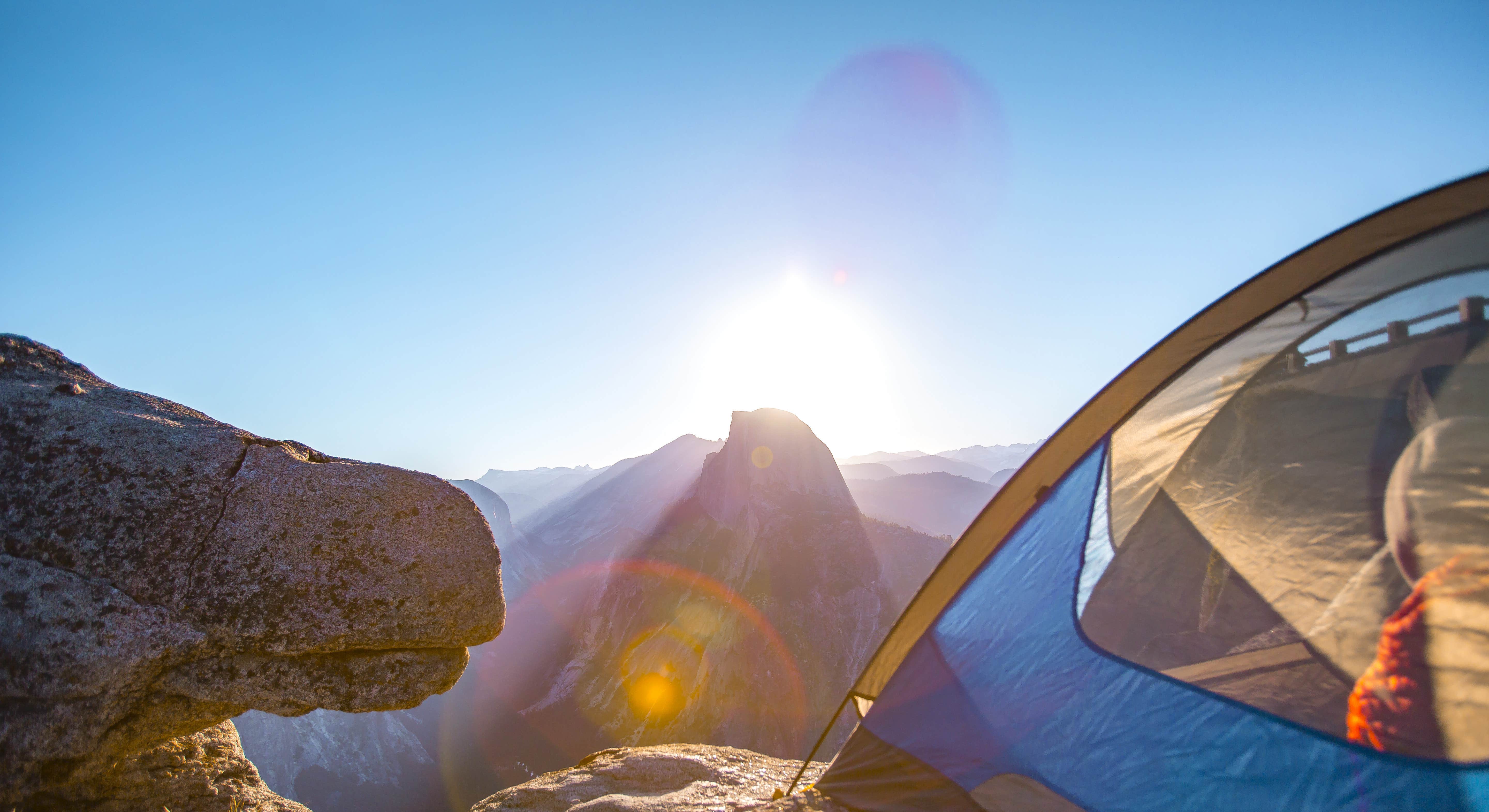 Photo by Jason Finn
Responsible Camping Practices 
Camping in Yosemite's fragile ecosystems and high visitation requires thoughtful practices:
Wildlife Protection:
- Store all food, toiletries, and scented items in provided food storage lockers
- Never feed any wildlife, including seemingly harmless squirrels and birds
- Maintain distance from all wildlife (at least 50 yards from bears and predators)
- Clean cooking areas thoroughly after meal preparation
- Dispose of dishwater in designated utility sinks, not in natural areas
- Report wildlife issues to rangers rather than attempting to resolve yourself
Leave No Trace:
- Pack out everything you bring in, including micro-trash like wrappers and bottle caps
- Stay on established trails and campsite areas to protect fragile vegetation
- Camp only in designated sites to prevent widening impact areas
- Leave natural objects where you find them (rocks, plants, wood, antlers)
- Respect quiet hours to minimize noise pollution
- Use established fire rings only and never leave fires unattended
Water Conservation:
- Take brief showers when facilities are available
- Turn off water taps completely after use
- Report leaking faucets or pipes to maintenance staff
- Use designated utility sinks for dishwashing rather than bathroom sinks
- Minimize soap use when washing dishes or hands
- Conserve water even during wet seasons as the resource remains limited
Campfire Responsibility:
- Obey all fire restrictions, which vary seasonally and by location
- Purchase firewood locally to prevent introducing pests or diseases
- Keep fires small and manageable
- Burn only clean wood, never trash or food waste
- Never leave fires unattended
- Completely extinguish fires before sleeping or leaving your site
Frequently Asked Questions
When do I need to make campground reservations for Yosemite? Reservations for Yosemite campgrounds open exactly 5 months in advance, on the 15th of each month at 7:00 AM Pacific Time. For summer camping (June-August), you should attempt to secure reservations the moment they become available, as most sites book within minutes of release. For example, reservations for all of July camping open on February 15th. Shoulder seasons (April-May, September-October) offer slightly better availability but still require advance planning. See The Dyrt's Yosemite reservation guide for step-by-step booking strategies.
Are there any first-come, first-served campgrounds in Yosemite? Yes, several Yosemite campgrounds operate partially or entirely on a first-come, first-served basis. During summer months, Bridalveil Creek, White Wolf, Yosemite Creek, and Porcupine Flat campgrounds are entirely first-come, first-served. During winter (roughly November through March), all open campgrounds switch to first-come, first-served. For peak season camping, arrive at the campground by 8:00 AM or earlier to secure a site.
What's the best campground for families with small children? Lower Pines and Upper Pines campgrounds in Yosemite Valley offer the most family-friendly options within the park. Their central location provides easy access to visitor centers, shuttle stops, and gentle hiking trails. Both have flush toilets and drinking water, making logistics easier with children. The valley's paved paths allow for easy stroller access to major viewpoints.
Can I camp in Yosemite in winter? Yes, winter camping is available but limited to a few campgrounds. Upper Pines (with reduced loops), Camp 4, Wawona (with reduced loops), and Hodgdon Meadow (with reduced loops) remain open year-round. All winter camping operates on a first-come, first-served basis rather than reservations. Winter campers should prepare for temperatures that routinely drop below freezing, with nighttime lows often in the 20s or lower.
How do I protect my food from bears while camping? All Yosemite campgrounds provide metal food storage lockers at each site, and using them is mandatory. Store ALL food items, toiletries, and scented products (including empty coolers) in these lockers whenever not actively in use. Nothing scented may remain in vehicles or tents at any time. Bears in Yosemite have learned to recognize coolers, grocery bags, and boxes as food sources, so keep these items stored properly even if empty.
What amenities are available at Yosemite campgrounds? Amenities vary by campground. Valley campgrounds (Upper, Lower, North Pines) offer flush toilets, drinking water, picnic tables, fire rings, and food storage lockers. No electrical hookups exist at any park campground. High-country sites like Yosemite Creek and Porcupine Flat offer more basic facilities with vault toilets and limited or no piped water. Only Curry Village/Half Dome Village provides public showers for a fee.
Is Tuolumne Meadows Campground open in 2026? Yes. Tuolumne Meadows Campground reopened in 2026 following a rehabilitation project that kept it closed through much of 2024-2025. Reservations are available through Recreation.gov. Check the NPS website or Recreation.gov for current opening dates and site availability, as high-elevation campgrounds can have late openings depending on snowpack.
What tent camping options are available in Yosemite Valley? The valley has four main options: Upper Pines (238 sites, year-round), North Pines (81 sites, spring-fall), Lower Pines (60 sites, spring-fall), and Camp 4 (36 walk-in sites, all year). All require reservations or lottery entry during peak season. See the full breakdown of Yosemite Valley tent camping on The Dyrt for reviews and availability.
Are there yurts or cabin rentals near Yosemite? No yurts or cabins exist within the park itself. However, options outside the park boundary include private lodges and glamping properties. Read The Dyrt's guide to yurts near Yosemite National Park for a roundup of nearby alternatives. Curry Village (Half Dome Village) offers canvas tent cabins inside the park, which are a step above camping but not full cabin rentals.
What is the history behind Yosemite's name? The park's name has an interesting and sometimes debated origin. Read The Dyrt's article on Yosemite National Park naming rights for a deeper look at the history.
Planning Resources
Essential Yosemite Links
- The Dyrt Yosemite NP Campground Finder - Reviews and availability for campgrounds in and around Yosemite
- Yosemite National Park Official Website - Current conditions, alerts, and regulations
- Recreation.gov Yosemite Campgrounds - Booking platform for all reservable Yosemite campgrounds
- Yosemite Road and Weather Conditions - Current updates on road status and weather
- Yosemite Shuttle System - Routes, schedules, and stops for park shuttles
- CalTrans Road Conditions - Highway information, especially important in winter
Reservation Timeline
| Time Period | Reservation Task | Platform/Details |
|---|---|---|
| 5 Months Before Trip | Book park campgrounds | Recreation.gov (opens 7:00 AM PT on 15th of each month) Set calendar reminder for exact opening date |
| 3-4 Months Before | Reserve alternative options and book activities | Private campground websites Tour operators for activities |
| 1-2 Months Before | Research first-come, first-served options and check for cancellations | NPS and Forest Service websites Check Recreation.gov regularly |
| 2-3 Weeks Before | Check current conditions and confirm reservations | NPS current conditions page Recreation.gov reservation management |
| 1 Week Before | Check detailed weather forecast and finalize gear list | National Weather Service Recreation.gov |
| Day Before Arrival | Check road conditions and download offline maps | CalTrans website GPS or map apps |
Yosemite Camping Checklist
Reservations and Permits:
- Campground reservation confirmation (printed and digital copy)
- Park entrance pass or America the Beautiful Pass
- Photo ID that matches reservation
- Vehicle information
- California fishing license (if fishing)
Camping Gear:
- Tent with rainfly and footprint
- Extra stakes and guy lines
- Sleeping bag rated for appropriate temperature
- Sleeping pad with adequate R-value
- Extra blankets or sleeping bag liner
- Headlamp or flashlight with extra batteries
- Lantern and/or string lights
Kitchen Items:
- Camp stove and fuel
- Lighter/matches in waterproof container
- Cookware and utensils
- Cooler and ice
- Water containers
- Dish washing supplies (biodegradable soap, basin)
- Trash bags and recycling bags
- Food storage containers
Clothing:
- Moisture-wicking base layers
- Insulating mid-layers (fleece, down)
- Waterproof/windproof jacket
- Hiking pants/shorts
- Extra socks and underwear
- Warm hat and gloves
- Sturdy hiking boots
- Camp shoes/sandals
Safety and First Aid:
- First aid kit including blister treatment
- Prescription medications
- Sunscreen and lip balm with SPF
- Insect repellent
- Basic tools and repair kit
- Toilet paper and hand sanitizer
- Whistle for emergencies
Navigation and Communication:
- Printed reservations and maps
- Offline maps downloaded to phone
- Portable phone charger
- Emergency contact information
- Maps and compass
By planning thoroughly and following park guidelines, your Yosemite camping trip can be both enjoyable and responsible. The park's varied campgrounds offer options ranging from the bustling valley floor to the quiet solitude of high mountain meadows. Watching the sunset glow on Half Dome from your valley campsite or stargazing from a high-country perch -- camping in Yosemite connects you to one of America's most spectacular landscapes.