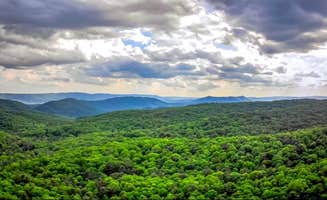
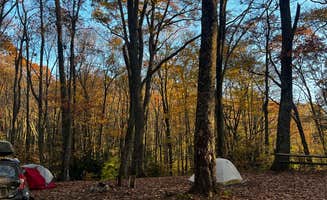
Rustic camping near Rural Retreat, Virginia centers on free or low-cost primitive sites at elevations between 2,000-5,000 feet across Jefferson and Washington National Forests. Winter temperatures can drop below 10°F with occasional road closures, while summer highs rarely exceed 85°F at higher elevations. Many sites lack amenities but offer privacy within hardwood forests dominated by oak, maple, and hickory trees.
What to do
Fishing at Hidden Valley WMA: The 61-acre lake provides excellent fishing opportunities with multiple spots along the shoreline. "The lake is calm and clean for water recreation," notes one visitor to Hidden Valley WMA, where anglers can catch bass and trout.
Hiking the Appalachian Trail: Access points near Walnut Flats provide day-hiking opportunities with moderate terrain. "Trail right through the campground and the Appalachian trail just across the road," reports a camper who stayed at Walnut Flats for nearly two weeks.
Wildlife watching: Search for wild ponies and other wildlife throughout the region, especially at higher elevations. At Scales Trailhead Basecamp, campers report "wild ponies at the salt lick," making it a popular destination for families interested in wildlife photography.
What campers like
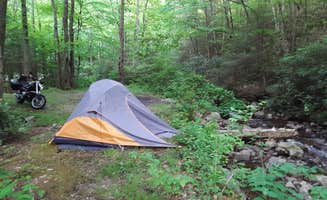
Secluded creek sites: Riverside camping spots offer natural sound barriers and water access. "We spent 1 night out here on a Saturday Night it is very secluded away from everything," reports a visitor to Washington & Jefferson National Forest Dispersed Sites, though they noted being "close to the road so we can hear a lot of traffic."
Swimming holes: Natural water features provide refreshing breaks during summer months. "We got lucky and parked right next to a swimming hole, had a gorgeous swim and enjoyed our time," shares one camper about their Washington & Jefferson Forest experience.
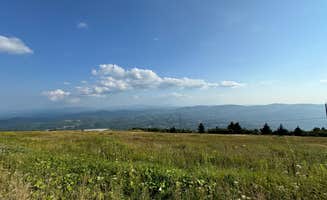
Stargazing opportunities: High elevation sites away from light pollution offer exceptional night sky viewing. At Whitetop, a camper describes "watching the sunset was spectacular, then being able to star gaze" as highlights of their mountain camping experience.
What you should know
Cell service limitations: Most sites have minimal to no connectivity. "Absolutely no verizon service at the site," reports a camper at Little Tumbling Creek, while others mention needing to "drive about ten minutes to the gas station to get dependable coverage."
Road conditions: Many sites require careful driving on rough forest roads. For Whitetop Mountain, one visitor warns "the road to this site is WILD, but doable" and suggests checking the "scary potholes" before attempting the drive.
Weather variability: Mountain elevations experience rapid weather changes, particularly at higher sites. One camper notes that at Whitetop "if there's any clouds in the sky, you're literally just in a cloud of condensation. Everything is wet."
Security considerations: Remote sites occasionally attract unwanted visitors. A Washington & Jefferson Forest camper advises to "be aware of your surroundings and always carry something on you to protect yourself" after an unsettling encounter with other visitors.
Tips for camping with families
Established campgrounds for beginners: First-time dispersed campers with children should consider sites with basic facilities. "This is a wonderful spot. It has five established camp sites with fire rings and picnic tables," mentions a visitor to Walnut Flats about the clean pit toilets and organized camping area.
Creek access for water play: Look for sites with shallow water access for children. "Camp next to a quiet bumbling creek with beautiful scenery," suggests a Little Tumbling Creek visitor, describing flat areas perfect for family setup.
Wildlife viewing opportunities: Plan morning wildlife walks when animals are most active. At Scales Trailhead Basecamp, one visitor shared that "the campground was well kept, well placed" and mentioned seeing ponies near the campground.
Tips from RVers
Limited RV options: Most dispersed sites accommodate smaller vehicles only. "The road in is rocky & not short...probably 45 mins from the road to the campground, but anything with Subaru Outback ground clearance will be fine," explains a camper at Scales Trailhead about accessing the more remote areas.
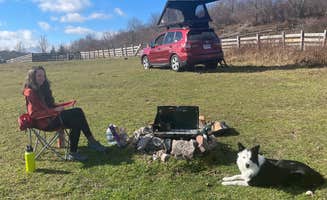
Site selection priorities: Look for level pull-offs with adequate turning space. One RVer at Washington & Jefferson mentioned finding "a good fire ring, and was on the edge of a creek that we could filter water from with ease" during a three-week stay.
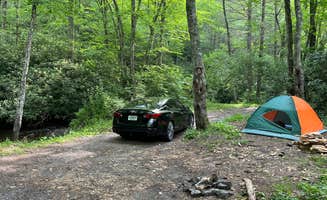
Preparation essentials: Bring all supplies as facilities are minimal. "The campsite is directly off the forest road, maybe 20 feet. It's a nice spot with some flat areas to put a tent if you don't mind being close to the road," explains a visitor describing the basic setup of most dispersed sites in the area.



 Legend


