Primitive camping opportunities near Olathe, Kansas center primarily around state fishing lakes within a 50-mile radius. These locations typically lack electricity and running water but provide direct access to fishing and wildlife viewing in prairie and oak woodland settings. Winter camping remains available at most sites, though water access points may close during freezing conditions from December through February.
What to do
Fishing opportunities: Osage State Fishing Lake provides waterfront sites suitable for anglers seeking bass, crappie, and catfish. A camper noted, "Beautiful and peaceful. Stayed for a few days," making it ideal for extended fishing trips.
Bird watching: Leavenworth Kansas State Fishing Lake features diverse habitats that attract migratory waterfowl and resident songbirds. According to one visitor, "This site was easy to find and had a beautiful view of the lake! There is a brochure available online to help find the designated camping areas!"
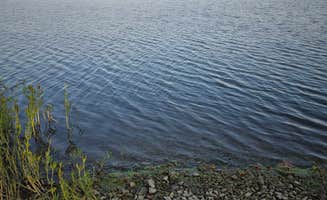
Sunrise viewing: Morning light across the water creates striking views at Osage State Fishing Lake. A camper shared this experience: "Woke up to a beautiful sunrise," highlighting one of the natural rewards for overnight stays.
What campers like
Lake proximity: Nearly all sites at Leavenworth Kansas State Fishing Lake provide water views or direct access. One visitor mentioned, "A county road takes you through the area and across the dam. There are gravel pull off areas and a lakeside gravel road."
Privacy between sites: Spacing between camping areas allows for relative seclusion at most locations. As one camper at Osage State Fishing Lake observed, "Spots were nice and spaced out so had no issues with disturbing anyone as I set up."
Quiet weekday atmosphere: Visitor patterns show significantly lower usage Monday through Thursday. A camper at Leavenworth noted, "Camped here several days in late June. There were very few campers, even on the weekends."
What you should know
Seven-day camping limits: Kansas state fishing lakes enforce shorter stays than many public lands. A camper at Osage State Fishing Lake reported, "I only stayed here a night but wish I could've stayed longer (which you can I just have a timeline)."
No trash facilities: Pack-out requirements apply at all primitive camping areas near Olathe. One visitor reminded others: "On a road trip off the 70, pulled over to camp for the night! Quiet, only a few other campers around.. lovely nighttime sounds. Firepit. Some trash from other campers.. remember to pack it in and pack it out!"
Cell service availability: Connectivity varies by carrier and specific location. According to campers, Verizon provides functional coverage at most sites, allowing for emergency communications and basic data usage.
Tips for camping with families
Toilet facilities: Pit toilets require planning ahead with younger campers. A visitor mentioned conditions vary throughout the week: "Pretty lake views, easy to drive in and find pretty private sites, and some fire ring."
Weekend crowds: Family groups should arrive early on Fridays to secure preferred sites. One camper at Leavenworth Kansas State Fishing Lake shared, "Many slept in their cars and left at first light. I assume they went fishing at the lake."
Fire ring availability: Not all sites include established fire pits, so portable containment may be necessary. Restrictions apply during dry conditions, typically from August through October.
Tips from RVers
Road conditions: Most access routes accommodate standard recreational vehicles under 30 feet. At Osage State Fishing Lake, a camper reported, "It's fantastic! Beautiful area, campfire rings in several locations, and our 43' RV navigated smoothly (well, husband navigated smoothly!)"
Site selection: RVers should prioritize level areas away from the waterline. One visitor recommended: "Camp in main area to be near toilets, otherwise there's lots of loops near the water where you can find sites with more privacy."
Off-season advantages: Fall and spring camping offers fewer neighbors and better wildlife viewing. Winter camping remains possible but requires self-sufficiency for water and heating.



 Ranger


