Dispersed camping near Clermont, Florida offers outdoor experiences through a mix of lakeside and forested settings in the subtropical climate. Most locations sit on sandy terrain within the water management districts and Ocala National Forest at elevations rarely exceeding 100 feet above sea level. Winter temperatures average 50-70°F while summer brings consistent 80-95°F heat with high humidity and frequent afternoon thunderstorms.
What to do
Kayaking and paddling: Trout Lake Primitive Sites provides direct lake access for water recreation. "Very narrow trails but really easy access, you will leave with some new pinstripes," notes camper Joe P. about reaching the shoreline with equipment.
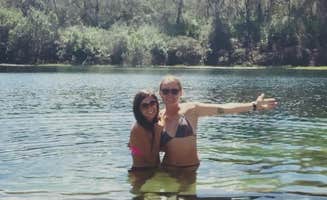
Swimming in natural areas: Forest creek swimming holes offer cooling options during hot months. At Freak Creek Dispersed Camping, "There is a nice creek area where you can swim and or fish if you have the right equipment to get back there it can be fun," according to hilary G.
Wildlife observation: Many sites in the region support diverse wildlife viewing opportunities. The remote location of camping areas increases chances for wildlife encounters, with reports of panthers and other native Florida species in less visited areas.
What campers like
Seclusion from crowds: Campers consistently value the privacy at rustic camping sites near Clermont. As Adamm A. describes Freak Creek Dispersed Camping, "It's super secluded and quiet. Depending when you stay there's at times people who show up to party and then leave."
No reservation pressure: Some locations allow spontaneous camping without advance planning. One camper at Upper Hillsborough Water Management Area noted, "Didn't find the Main Camping area. Parked in one of the side roads. Didn't run into anyone eventhough permit page indicated Booked out."
Budget-friendly options: Many dispersed camping areas near Clermont require no fees. "It was nice and free," reports SukiDookie about Upper Hillsborough Water Management Area, making the region attractive for cost-conscious outdoor enthusiasts.
What you should know
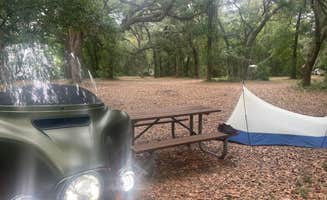
Vehicle requirements critical: Sand traps and rough roads challenge conventional vehicles at most sites. For Blue Sink, "You may need ATV or creative backpacking to get there now. The Forestry Service recently chopped down trees and covered the easy access roads," advises Destiny R.
Extremely limited facilities: Virtually no dispersed sites offer restrooms, water, or garbage collection. At Upper Hillsborough, "There is a porta-potty, but I didn't check it out, so I'm not sure about the cleanliness... the lack of trash cans was surprising. Just take your trash with you," recommends SukiDookie.
Summer heat considerations: Florida's intense summer heat affects camping comfort substantially. Temperature frequently remains above 80°F overnight during summer months, with high humidity making ventilation important for tent campers.
Tips for camping with families
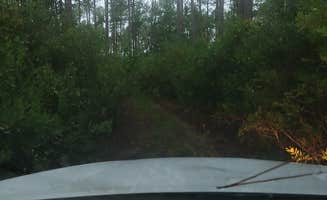
Accessibility planning: Plan transportation details carefully when bringing children. Sites with challenging access roads may require extra time and equipment. Entropical Breeze E. cautions about Trout Lake: "Main road entry is packed dirt; smaller access road to sites is two-track about 1/4 mile through woods — very narrow tree clearance. 4WD recommended."
Safety precautions: Always research current safety conditions before camping with families. Some areas within the forest have reported safety concerns requiring vigilance and planning.
Water activity preparation: When camping near water with children, bring life jackets and water safety equipment. While lakefront sites offer swimming opportunities, no lifeguards monitor these natural areas.
Tips from RVers
Size restrictions matter: Most dispersed camping sites near Clermont cannot accommodate larger RVs. At St. Johns River Dispersed Spot, "The roads to get here are bumpy," reports Mike D., creating challenges for larger vehicles.
Resource independence: RVers must arrive fully self-contained. Scott O. notes that Upper Hillsborough offers "Large open area with great shade trees, no water, privy. Easy pull through for RV," but lacks hookups or dump stations.
Ground condition awareness: Sandy terrain creates unique challenges for heavier vehicles. Preparing recovery equipment is essential for RVers attempting access to more remote camping options in the region.



 Traveler


