Pet friendly camping near Tahoma, California allows visitors to enjoy the western shore of Lake Tahoe at elevations between 6,200-6,500 feet. The region experiences mild summer temperatures averaging 75°F during day and 40°F at night, with afternoon thunderstorms common in July and August. Winter camping is available at some locations, though snowfall typically reaches 300-500 inches annually.
What to do
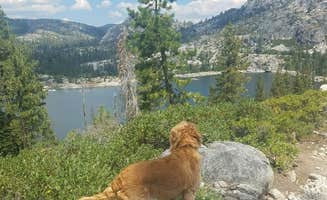
Hiking with dogs on Rubicon Trail: Take your pet on this scenic trail that connects D.L. Bliss State Park Campground with Emerald Bay. The trail offers excellent views of the lake from cliff sides. "Rubicon trail is absolutely stunning, and can be rather long since it goes into emerald bay. Nonetheless worth the hike. The beauty of camping here is that you are so close to the lake!" notes a camper who stayed at D.L. Bliss.
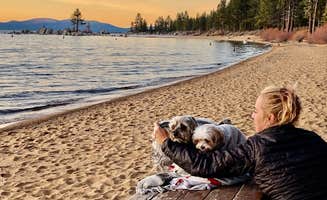
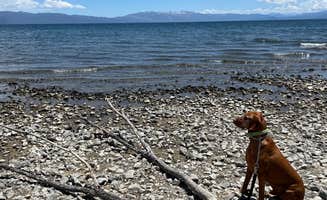
Beach time with your pet: While pets aren't allowed on many public beaches, some areas permit leashed dogs. Meeks Bay has dedicated sections where pets are welcome near the water. "The lake is about a 5 minute walk from any spot. Only complaints are the beach is not dog friendly so if you have your dog you can't go onto the beach but, you can drive close to a dog beach," reports a visitor to Meeks Bay.
Winter snowshoeing with dogs: For those willing to brave colder temperatures, Sugar Pine Point State Park maintains plowed areas for winter recreation with pets. "Winter camping with rv. Easy to find in dark," notes a winter camper at Sugar Pine Point, which remains one of the few year-round options for camping with pets in the area.
What campers like
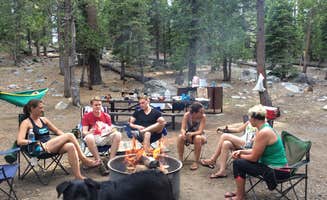
Privacy between sites: Many campers appreciate the natural separation between camping spots at General Creek Campground — Sugar Pine Point State Park. "Lots of space and privacy between campsites. Close to Lake Tahoe. About 1 mile walk to the beach," reports a reviewer. This privacy allows pets and owners more comfort when camping.
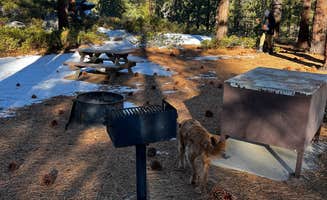
Bear boxes at every site: The secure food storage is essential for pet owners who need to store pet food safely. "Sites have bear boxes and even though they are very close to each other with little separation, they are big sites with lots of tall trees," explains a visitor to Fallen Leaf Campground. These bear boxes protect both wildlife and your pet supplies.
Bike paths for dog exercise: The paved trails connecting campgrounds provide excellent opportunities for pet exercise. "We loved the bike paths all though out the area. Rode in to south Tahoe and had a great experience," says a camper at Fallen Leaf, noting the extensive network of paths where leashed dogs are welcome.
What you should know
Bear activity is significant: All campgrounds report regular bear encounters, requiring vigilance with pet food. "We did have a bear come through our campsite and scared the crap out of us so make sure you put all food items & trash in the bear bin!" warns a camper at Sugar Pine Point. This applies to pet supplies too, which must be secured.
Crowds affect pet comfort: During peak summer months, campgrounds fill quickly. "It was a zoo. Parking was so tight. Campers overlapping on each other's site. We barely had space to set up out tent," reports a visitor to Meeks Bay in August, noting how challenging it became for those with pets.
Seasonal facilities limitations: Winter campers should note reduced amenities. "Showers scattered throughout camp though not every bathroom has them," explains a camper at Fallen Leaf, while winter facilities are even more limited at Sugar Pine Point, the primary year-round option for pet owners.
Tips for camping with families
Morning lake activities with pets: For families with both children and pets, timing matters. "Mornings are the best time for lake time. Mornings are glassy on the lake for paddle boarding and kayaking as well, but choppier in the afternoon," advises a Fallen Leaf camper, suggesting this quieter time works better for families with pets.
Campground selection for pet space: William Kent Campground offers family-friendly sites with enough room for pets. "The site itself was huge and really nice for my large family. There is a breakfast place right next to the campground so if you want more glamping you can swing over there in the morning," shares a visitor.
Pet-friendly beaches planning: Families should research beach access beforehand. "We didnt care for the William Kent beach area cause there are no dogs allowed, so instead we drove down a few miles to a dog beach that was really nice," explains a William Kent camper, highlighting the need to plan pet-inclusive activities.
Tips from RVers
Dump station access: RVers with pets should note that not all campgrounds offer dump stations. "The showers were nice but pricey. Four U.S. Quarters for 3 minutes," reports a Fallen Leaf visitor, which can be important when cleaning up after pets in an RV.
Site selection for generators: Some campgrounds restrict generator use, affecting climate control for pets. "Great campground. Nice location. Only complaint would be generators running most of the day from all the RV's," shares a visitor to Fallen Leaf, indicating that some areas permit generators while others don't.
Winter RV preparations: For those camping with pets in colder months at Eagle Point Campground, specific preparations are needed. "We ended up camping in a truck camper after being caught in a snow storm... We weren't able to connect to water because of freezing temperatures," notes a winter RVer, emphasizing the need to prepare for pet water needs in freezing conditions.



 Ranger


